Home » Public Hygiene Solutions That Actually Work in High-Footfall Areas
Table of Contents
Introduction
Sanitation has been one of India’s most discussed development challenges for decades. While access to toilets and basic facilities has improved significantly, sanitation problems in India continue to persist in new and complex forms.
The issue today is no longer just about construction. It is about maintenance, accountability, hygiene standards, accessibility, and reliability.
The problems of sanitation in India are increasingly urban, systemic, and management-driven.
Technology is now emerging as one of the most practical tools to address these gaps.
Understanding the real problems is the first step toward solving them effectively.
The Current State of Sanitation in India
India has expanded sanitation coverage through infrastructure projects and national campaigns. Millions of toilets have been constructed across rural and urban areas.
However, infrastructure expansion has exposed deeper systemic challenges:
- Facilities exist but are poorly maintained
- Hygiene standards vary widely
- Monitoring mechanisms are weak
- High-footfall areas face rapid deterioration
- Accessibility remains inconsistent
The sanitation system in India requires smarter management rather than only physical expansion.
Major Sanitation Problems in India
1. Inconsistent Maintenance of Public Toilets
One of the most visible public toilet problems is maintenance.
Common issues include:
- Broken fixtures
- Lack of water supply
- Unclean floors and walls
- Overflowing bins
- Poor ventilation
A toilet that is technically available but unusable does not solve sanitation challenges.
Maintenance gaps are one of the biggest sanitation problems in India today.
2. Overcrowding in Urban Areas
India’s urban population is growing rapidly. Public sanitation facilities often struggle to keep up with usage.
High-density locations such as:
- Railway stations
- Bus depots
- Markets
- Commercial complexes
Experience extreme footfall pressure.
Without adaptive cleaning systems, hygiene deteriorates quickly.
3. Lack of Real-Time Monitoring
Traditional sanitation management depends on fixed inspection schedules. But usage patterns are unpredictable.
Without real-time monitoring:
- Cleaning is delayed
- Complaints go unnoticed
- Hygiene standards drop
- Supplies run out
Sanitation services require visibility and accountability.
4. Women’s Hygiene Challenges
Sanitation problems affect women differently.
Key gaps include:
- Lack of sanitary disposal units
- Poor lighting
- Safety concerns
- Inadequate privacy
- Absence of clean changing areas
When sanitation facilities do not meet these needs, women often avoid them altogether, impacting health and mobility.
Women-centric planning must become central to sanitation policy.
5. Accessibility and Inclusion Issues
Disability-friendly toilets remain limited in many public spaces.
Sanitation facilities must include:
- Wheelchair access
- Grab bars
- Proper turning space
- Clear signage
Exclusion from sanitation access directly affects dignity and independence.
6. Public Hygiene Behaviour and Awareness
Sanitation infrastructure also depends on user behaviour.
Improper usage, littering, and lack of hygiene awareness contribute to sanitation problems.
Education and awareness campaigns must complement infrastructure.
How Technology Can Address Sanitation Problems
Technology does not replace sanitation workers or infrastructure. It strengthens them.
Here is how smart systems can help solve sanitation problems in India.
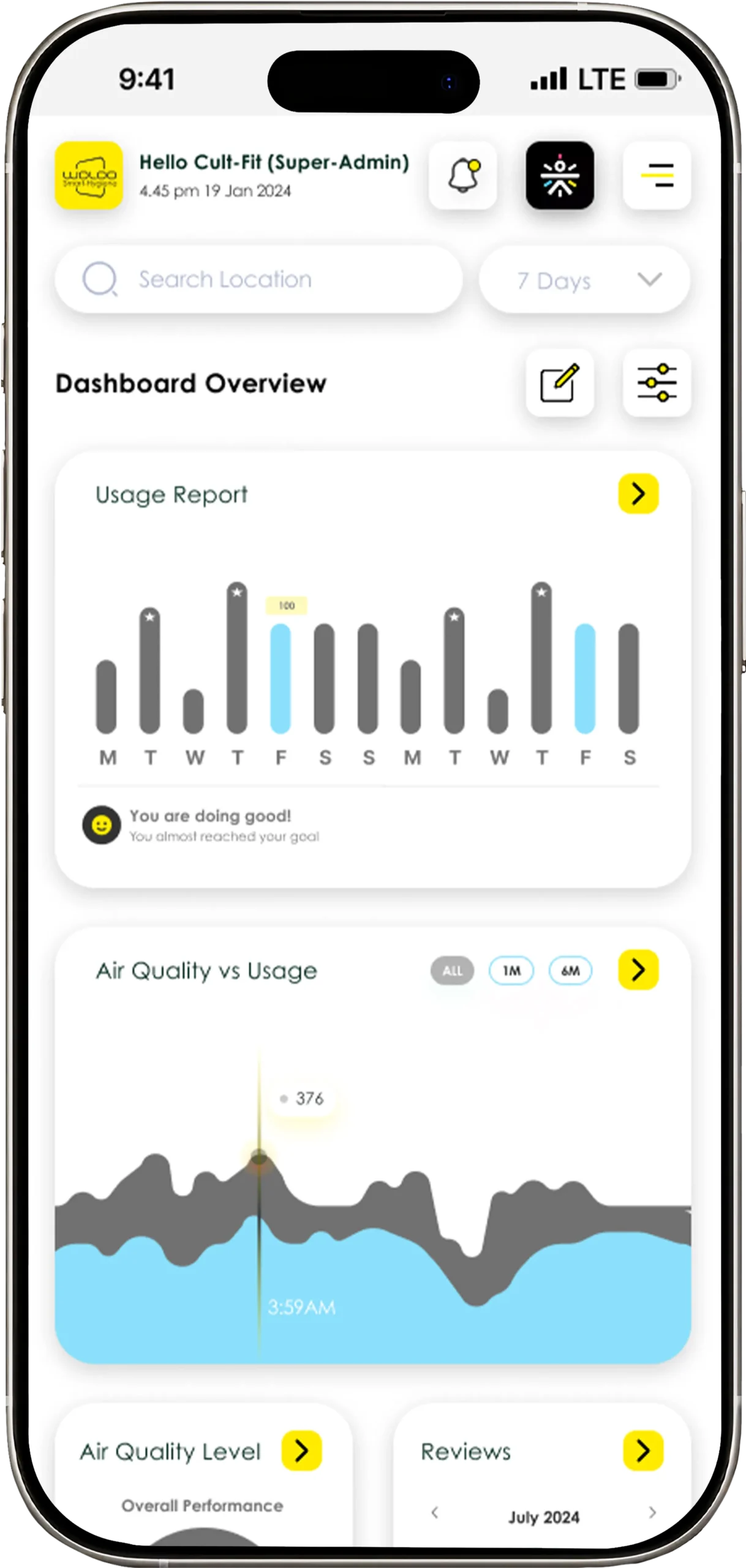
1. Real-Time Hygiene Monitoring
Digital systems can enable:
- Usage tracking
- Cleaning alerts
- Maintenance notifications
- Supply monitoring
Instead of waiting for complaints, facilities can respond proactively.
Smart sanitation services improve response time and accountability.
2. Data-Driven Cleaning Schedules
In high-footfall areas, cleaning must depend on usage, not fixed hours.
Technology enables:
- Footfall analytics
- Peak-hour detection
- Predictive maintenance
This ensures sanitation facilities remain usable throughout the day.
3. Transparent Feedback Systems
Digital feedback platforms allow users to report issues immediately.
Benefits include:
- Faster problem resolution
- Improved supervision
- Public trust building
- Hygiene benchmarking
Transparency improves sanitation standards.
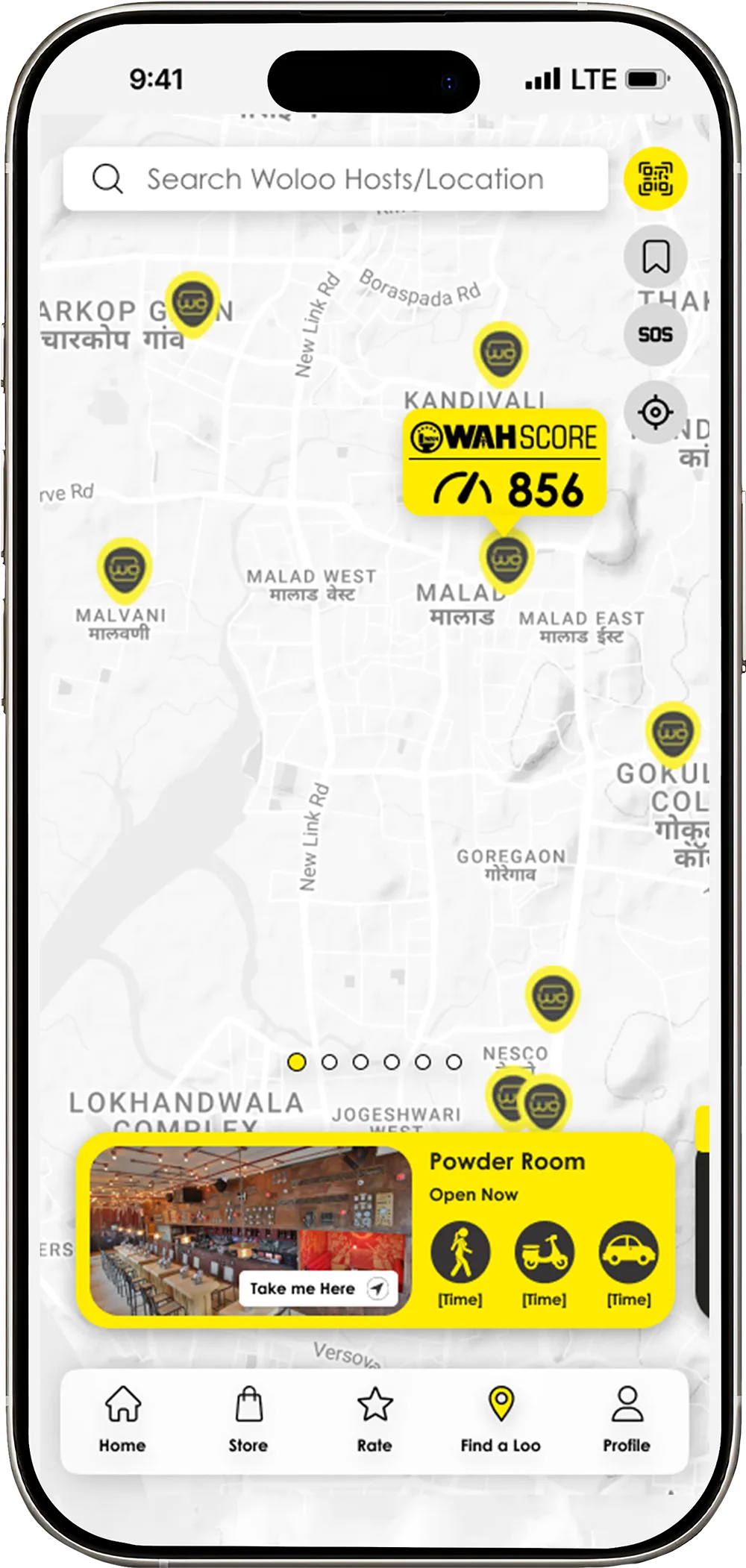
4. Location-Based Sanitation Discovery
One of the most common challenges is uncertainty around available facilities.
When people search for “public toilets near me,” they often cannot verify hygiene conditions.
Technology-driven sanitation networks allow:
- Verified listings
- Hygiene ratings
- Safer facility access
- Structured discoverability
This reduces uncertainty and improves user confidence.
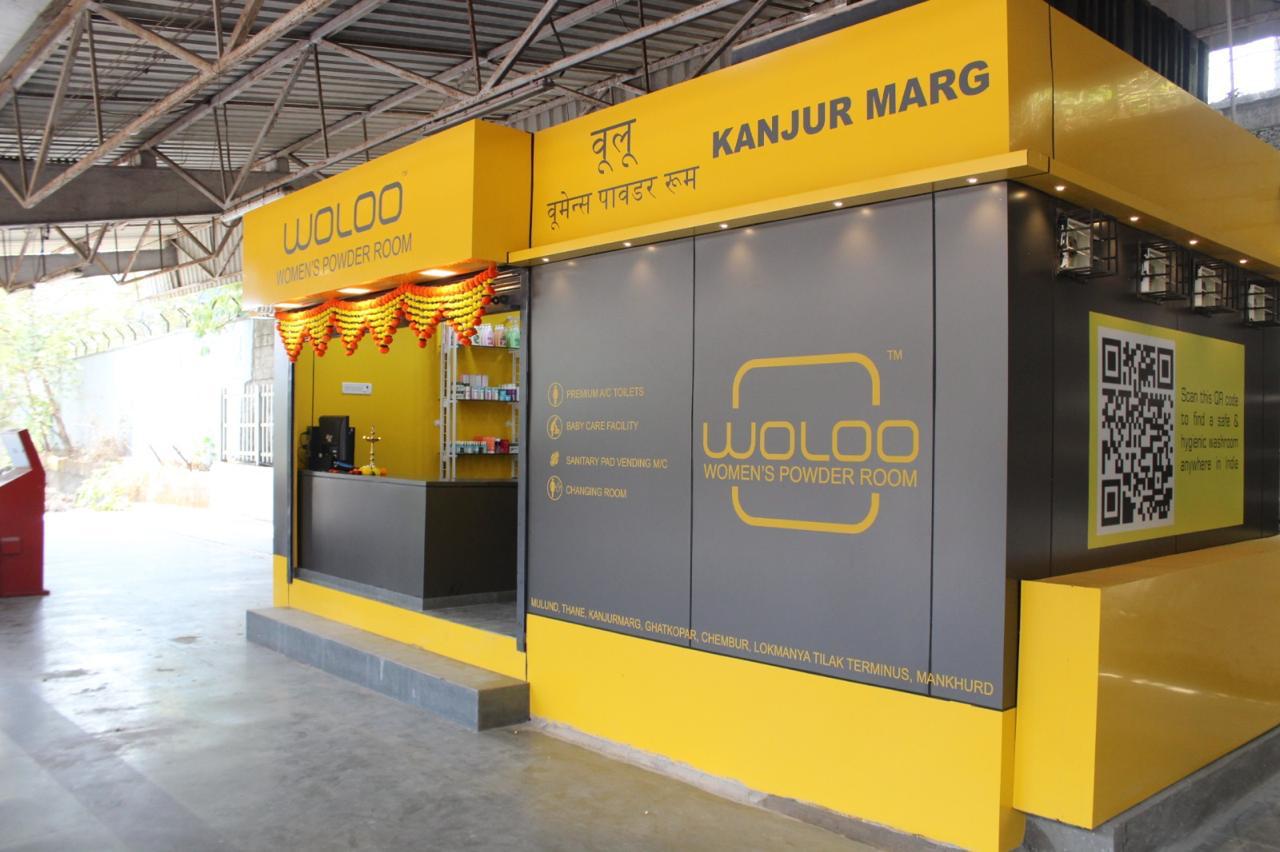
Caption: Technology-driven sanitation management enhances transparency, accountability, and faster issue resolution.
5. Integration of Public and Private Facilities
Technology enables structured networks where private establishments can contribute to public sanitation access.
This model:
- Expands sanitation coverage
- Improves hygiene reliability
- Reduces pressure on standalone public toilets
- Strengthens accountability
Hybrid sanitation ecosystems are more sustainable than isolated facilities.
The Economic Impact of Solving Sanitation Problems
Improving sanitation systems is not just about comfort. It has measurable economic benefits:
- Reduced healthcare burden
- Increased workforce participation
- Higher retail footfall
- Improved tourism perception
- Enhanced urban safety
Cities with reliable sanitation infrastructure are more productive and attractive.
Sanitation is a growth enabler.
How Woloo Contributes to Solving Sanitation Gaps
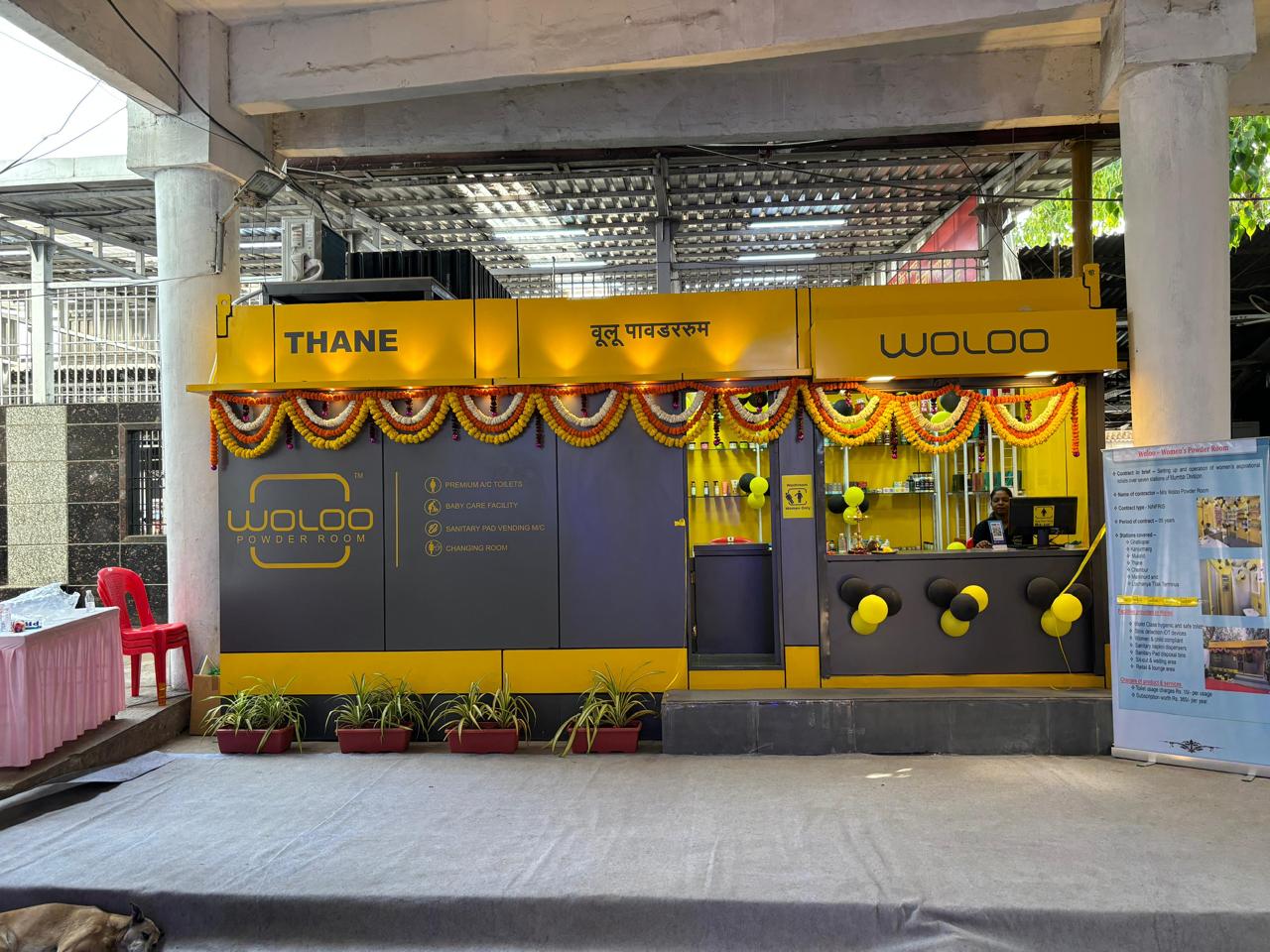
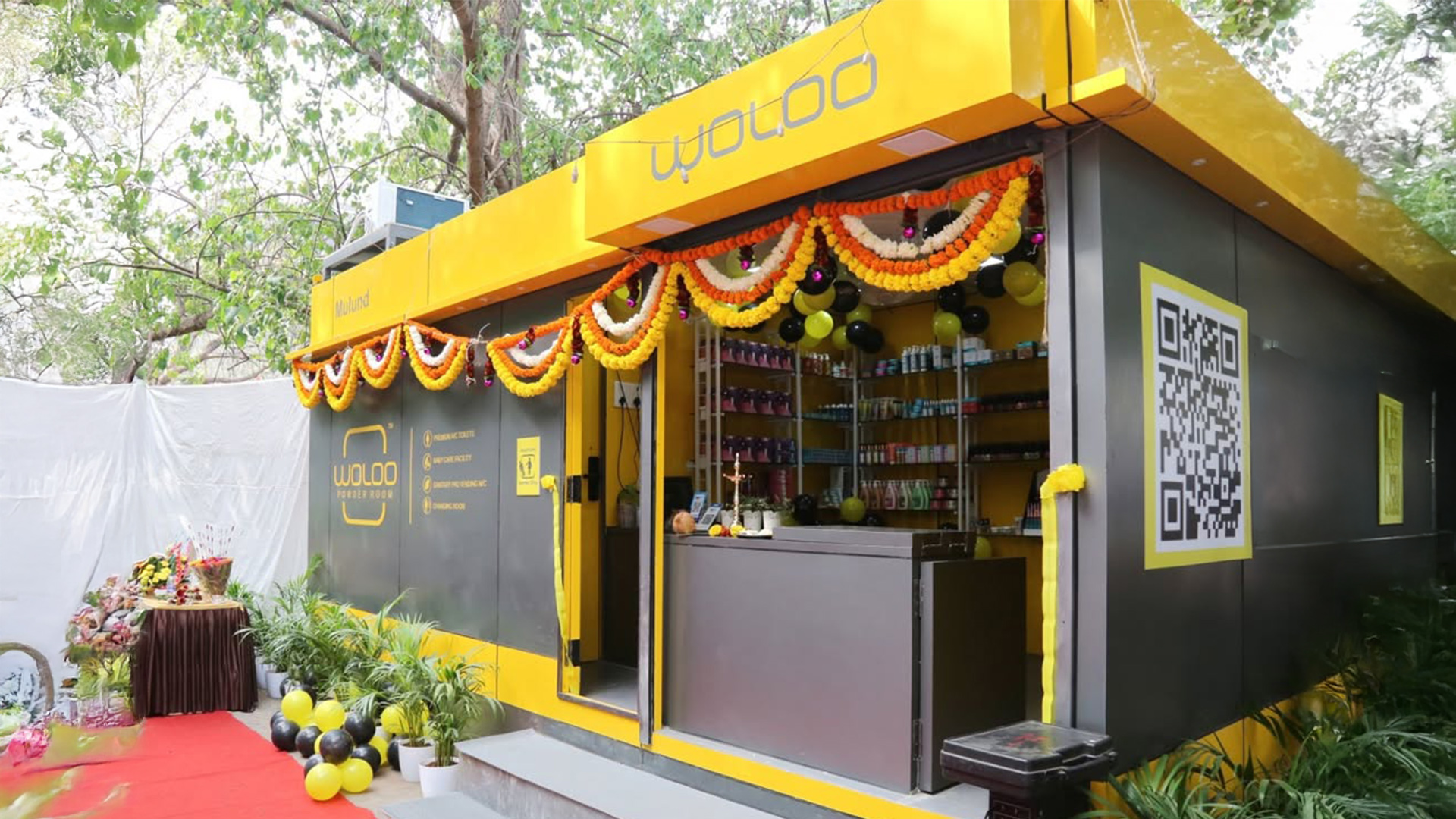
Woloo addresses sanitation challenges by connecting users to verified, hygienic washrooms through a structured partner network.
Instead of depending only on traditional public toilets, users gain access to safe and clean facilities maintained by trusted establishments.
This approach helps:
- Reduce overcrowding pressure
- Improve hygiene perception
- Support women’s sanitation needs
- Expand sanitation coverage without large-scale new construction
- Strengthen accountability through structured systems
Technology strengthens sanitation infrastructure by improving access and reliability.
Woloo contributes to that evolution.
The Future of Sanitation in India
The next phase of sanitation reform must focus on:
- Smart sanitation services
- Real-time hygiene dashboards
- Women-focused infrastructure
- Inclusive design standards
- Public–private collaboration
- Data-backed accountability
Sanitation problems in India are no longer just infrastructure shortages.
They are management and monitoring challenges.
Smart systems can close that gap.
Conclusion
Sanitation problems in India have evolved. The challenge is no longer only about building toilets. It is about maintaining standards, ensuring safety, and creating accountability.
Technology offers practical, scalable solutions.
By combining infrastructure with smart systems and inclusive planning, India can build a sanitation ecosystem that supports public health, mobility, and dignity.
Sanitation must move from reactive to intelligent.
Download Woloo App
You can easily find clean, safe and hygienic washrooms hosted by Woloo. Woloo hosts & Woloo Powder Rooms are present near the suburban train stations, bus stations, temples, tourist places, and on the main arterial roads.