Home » Sanitation Problems in India and How Technology Can Solve Them
Table of Contents
Introduction
Maintaining hygiene in high-footfall areas is one of the most complex sanitation challenges in urban India.
Railway stations, metro terminals, malls, office complexes, markets, airports, and bus depots handle thousands — sometimes lakhs — of visitors every day. In such environments, traditional cleaning schedules often fail to keep up with usage.
The real issue is not the absence of infrastructure. It is the gap between usage intensity and hygiene response.
Public hygiene solutions must evolve to match the speed, density, and unpredictability of modern urban spaces.
What works in a low-traffic facility will not work in a busy transit hub.
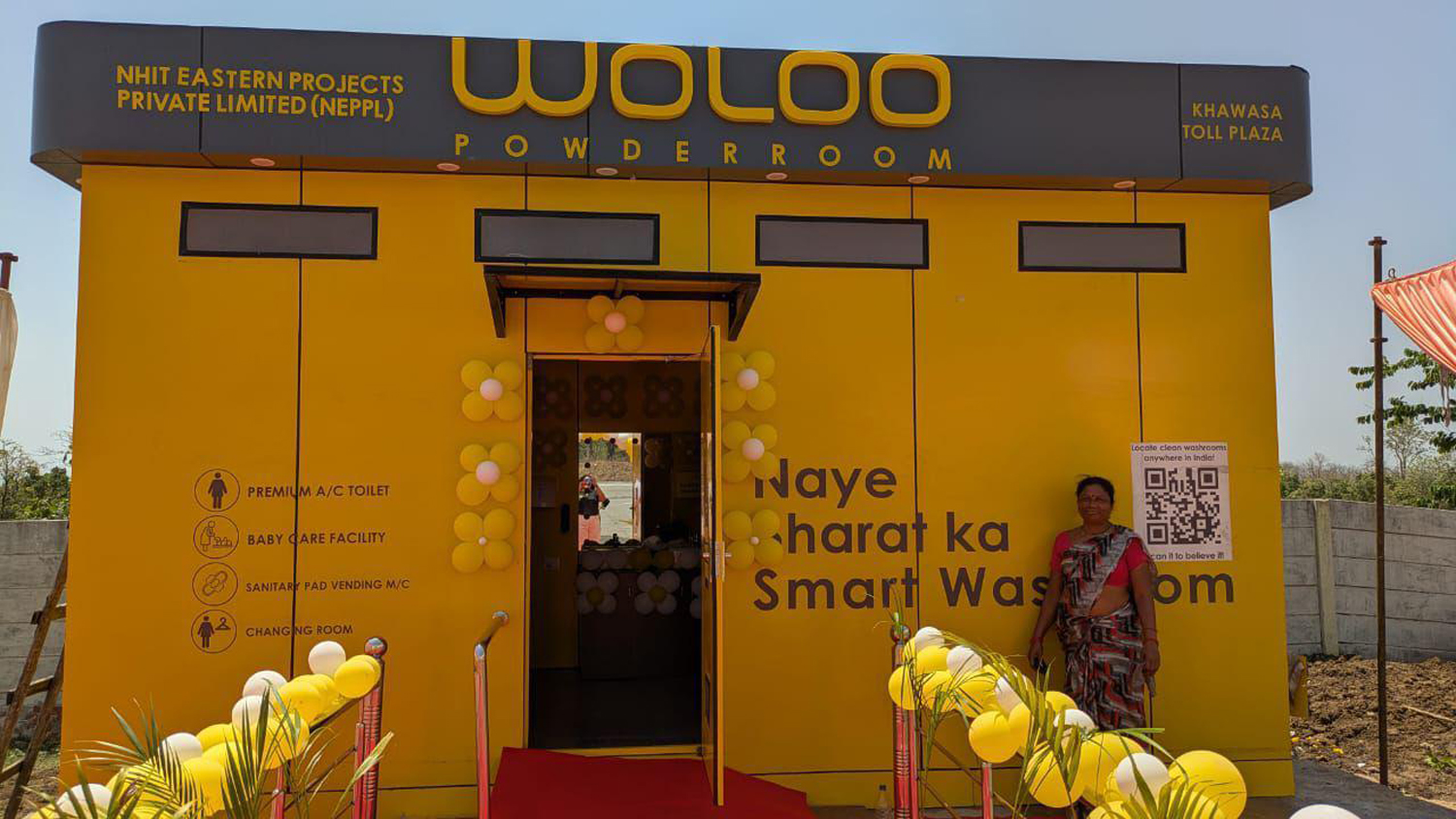
Why High-Footfall Areas Struggle With Hygiene
High-footfall areas present unique challenges:
- Continuous user turnover
- Peak-hour pressure
- Varying hygiene behaviour
- Limited downtime for maintenance
- Heavy wear and tear
In such conditions, even well-designed sanitation facilities deteriorate quickly if systems are not structured.
Cleaning once or twice a day is simply not enough.
Public hygiene solutions must become dynamic.
The Common Failures in High-Traffic Sanitation
1. Static Cleaning Schedules
Most facilities operate on fixed cleaning cycles. For example:
- Cleaning at 9 AM
- Cleaning at 2 PM
- Cleaning at 7 PM
But footfall does not follow fixed patterns.
A restroom used by 500 people between 5 PM and 7 PM cannot wait until 9 PM for cleaning.
Without usage-based scheduling, hygiene standards drop rapidly.
2. Lack of Monitoring and Accountability
In busy spaces, it is difficult to manually track cleanliness.
Common gaps include:
- No cleaning logs displayed
- No reporting mechanism
- Delayed response to complaints
- Inconsistent supervision
Sanitation services require measurable accountability.
3. Infrastructure Without Adaptability
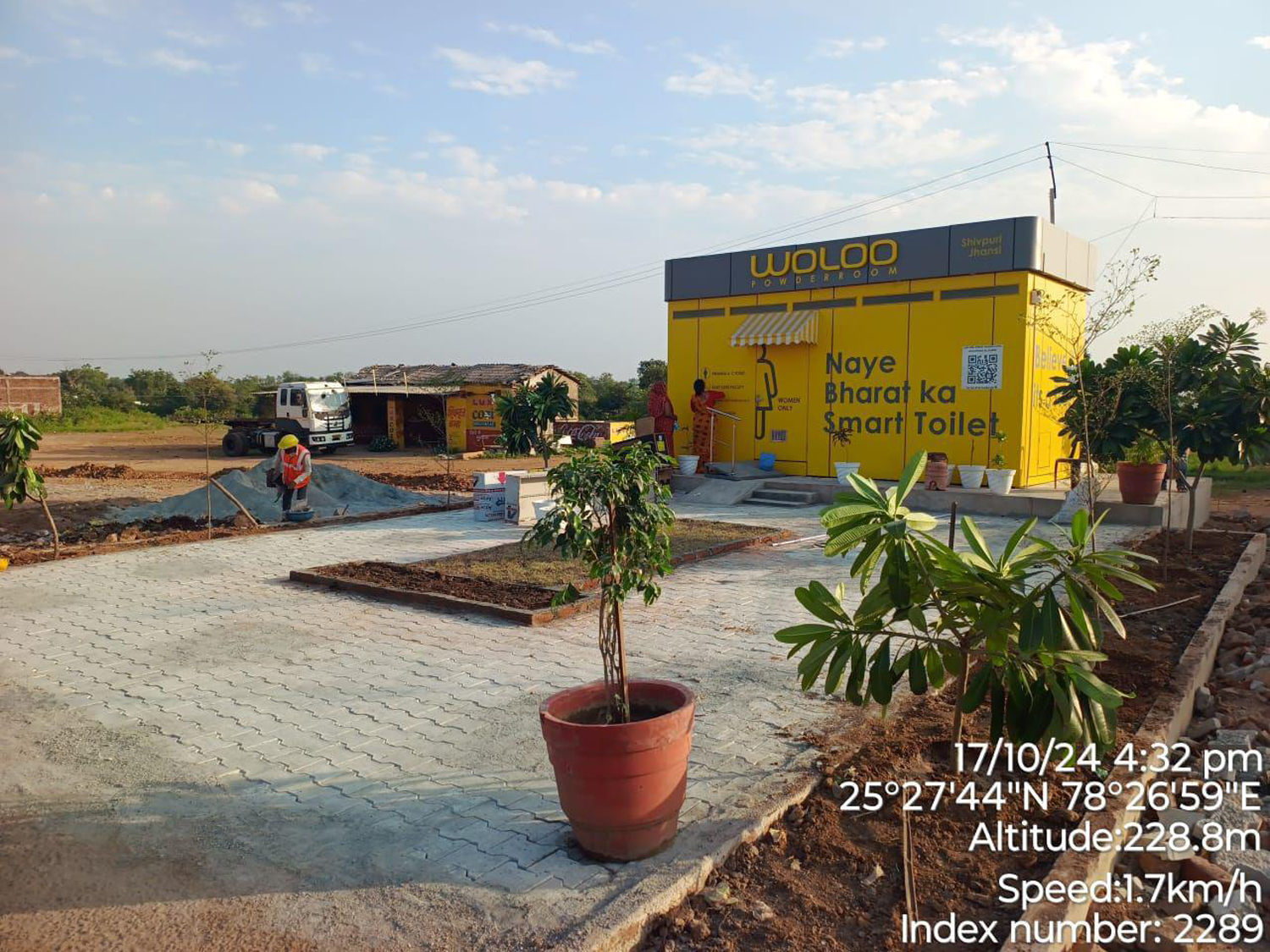
Traditional sanitation facilities are not designed to handle fluctuating usage intensity.
Issues include:
- Insufficient number of fixtures
- Limited ventilation
- Water supply disruptions
- Poor crowd management
Hygiene infrastructure in India must be built with scalability in mind.
What Actually Works in High-Footfall Areas
Public hygiene solutions that succeed share certain characteristics.
1. Usage-Based Cleaning Systems
Cleaning frequency must depend on actual usage, not fixed time intervals.
Effective systems include:
- Staff rotation based on peak hours
- Cleaning after usage thresholds
- Real-time alerts when maintenance is needed
Data-driven sanitation services reduce overuse damage and maintain consistent hygiene.
2. Real-Time Monitoring and Feedback
High-traffic spaces benefit from:
- Digital feedback systems
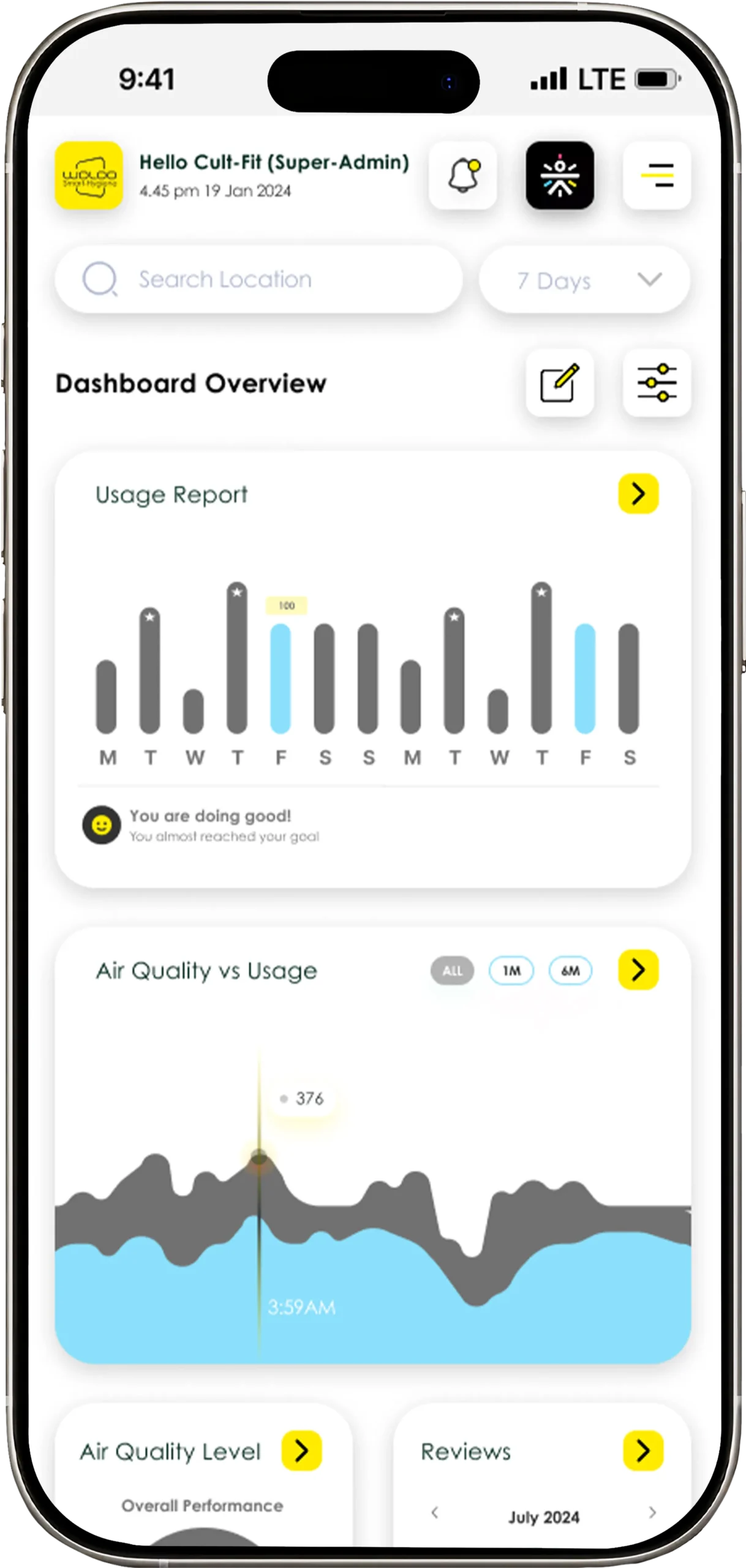
- Cleanliness rating dashboards
- QR-based reporting
- Visible inspection logs
When users can report issues easily, response time improves.
Transparency builds trust.
3. Smart Sanitation Services
Smart sanitation services use technology to manage hygiene efficiently.
They enable:
- Footfall analytics
- Predictive cleaning schedules
- Maintenance alerts
- Supply tracking
- Centralised dashboards
In busy transit hubs, this reduces uncertainty and ensures faster action.
Technology turns sanitation from reactive to proactive.
4. Structured Staff Management
Hygiene in crowded areas depends heavily on workforce coordination.
Effective sanitation solutions in India include:
- Clearly assigned cleaning zones
- Defined inspection intervals
- Supervisor audits
- Supply management systems
Sanitation workers are critical to the ecosystem, and structured management improves outcomes significantly.
5. Contactless and Durable Infrastructure
High-usage areas require robust design.
Solutions include:
- Sensor-based taps
- Automatic flush systems
- Touchless soap dispensers
- Durable fixtures
- Anti-slip flooring
Reducing touchpoints improves hygiene and reduces maintenance stress.
Women-Focused Hygiene in High-Traffic Spaces
Women experience high-footfall public areas differently.
In crowded environments, safety and privacy become even more important.
Effective public hygiene solutions must include:
- Well-lit entrances
- Clearly marked women’s facilities
- Sanitary disposal units
- Regular inspection
- Safe access pathways
Without these features, usage hesitation increases.
Women-centric sanitation planning improves mobility and comfort.
The Role of Public–Private Collaboration
High-footfall areas are not limited to government spaces. Commercial establishments also experience heavy traffic.
Malls, retail chains, office complexes, and hospitality spaces often maintain higher restroom standards.
Integrating such establishments into structured sanitation networks expands hygienic access across cities.
This model reduces infrastructure burden while maintaining quality.
How Woloo Supports Hygiene in High-Footfall Areas
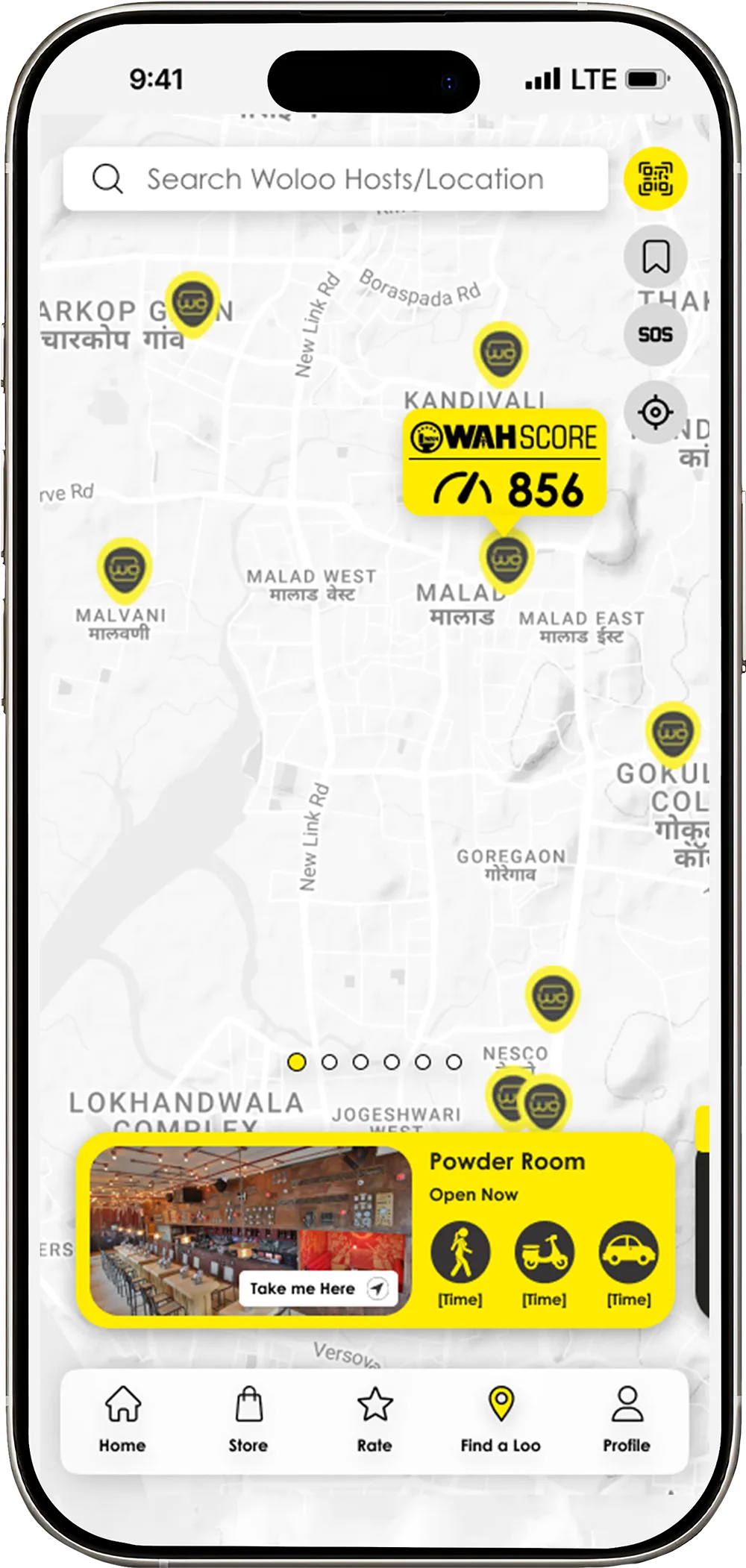
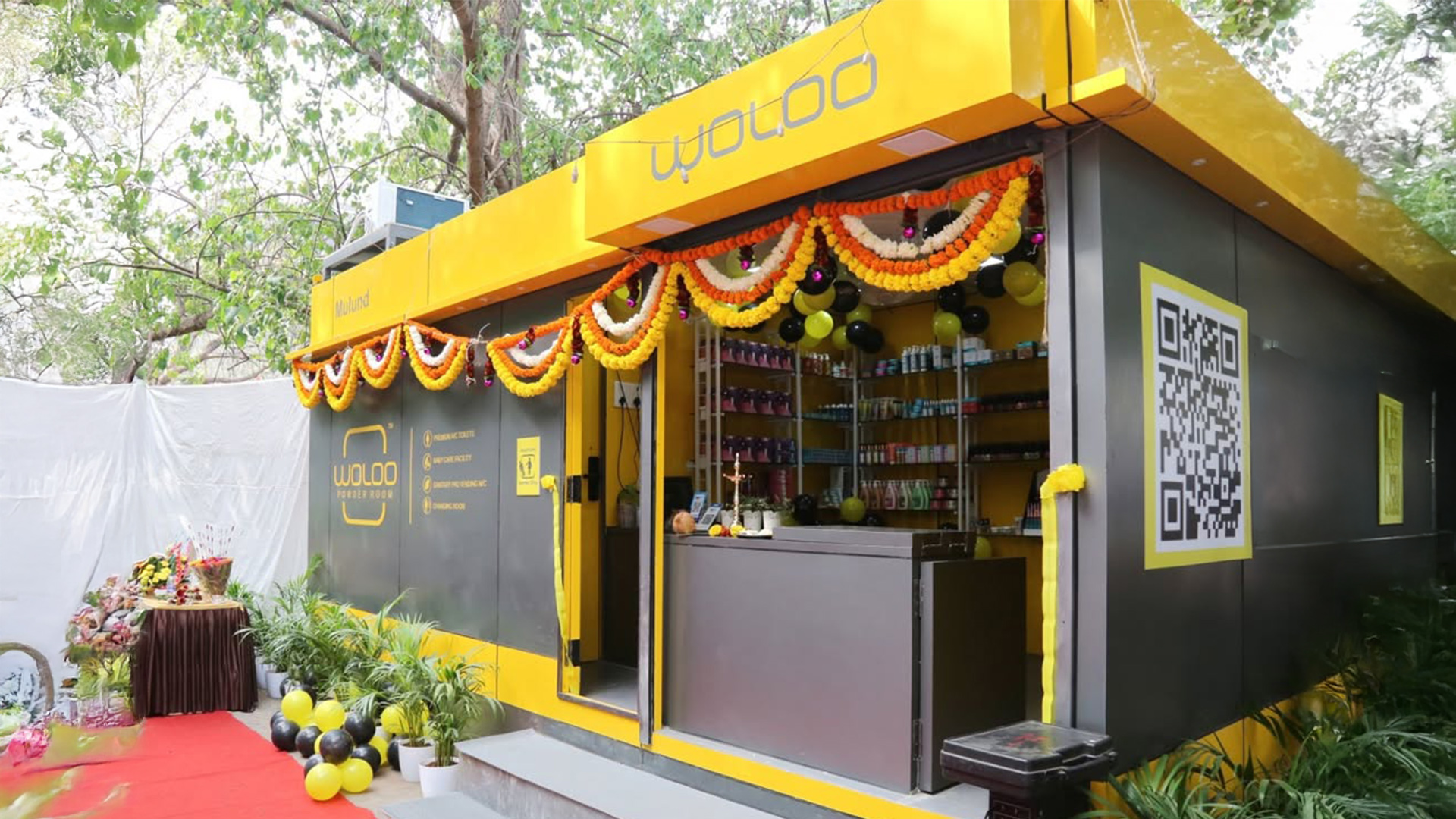
Woloo contributes to public hygiene solutions by connecting users to verified, clean washrooms within trusted establishments.
In high-footfall urban areas, this model:
- Expands reliable washroom access
- Reduces dependency on overcrowded standalone public toilets
- Supports safer access for women
- Improves overall hygiene perception
Instead of relying on limited facilities, users can access a broader sanitation network.
This strengthens hygiene infrastructure in India without requiring constant new construction.
Why Hygiene in High-Traffic Areas Impacts Economic Growth
Clean public restrooms influence:
- Retail footfall
- Workplace productivity
- Tourism confidence
- Public health outcomes
- City reputation
When sanitation deteriorates in crowded areas, user experience declines immediately.
Cities that maintain structured hygiene solutions gain long-term advantages.
The Future of Public Hygiene Solutions
Public hygiene solutions are moving toward:
- Smart public washrooms
- IoT-enabled maintenance alerts
- Hygiene performance dashboards
- Data-driven workforce management
- Inclusive design standards
High-footfall sanitation requires agility, not just infrastructure.
Urban India needs scalable, intelligent hygiene systems.
Conclusion
Maintaining hygiene in high-footfall areas is not about cleaning more. It is about cleaning smarter.
Static schedules, unmonitored facilities, and reactive maintenance cannot sustain sanitation standards in busy environments.
Public hygiene solutions must be dynamic, technology-enabled, and accountable.
As Indian cities grow denser, structured sanitation systems will determine how comfortable and liveable urban spaces truly are.
Download Woloo App
You can easily find clean, safe and hygienic washrooms hosted by Woloo. Woloo hosts & Woloo Powder Rooms are present near the suburban train stations, bus stations, temples, tourist places, and on the main arterial roads.