Home » Sanitation Infrastructure in India: Why It Needs a Smart Upgrade
Table of Contents
Introduction
Over the last decade, India has made visible progress in expanding sanitation infrastructure. Public toilets have been constructed in cities and rural areas, awareness campaigns have increased, and sanitation has become part of mainstream development conversations.
But building infrastructure is only the first step.
The real question today is not whether toilets exist — it is whether the sanitation system in India is reliable, accountable, and future-ready.
As Indian cities grow denser and mobility increases, sanitation infrastructure must evolve from static construction to smart, technology-supported systems.
Infrastructure without monitoring eventually becomes ineffective.
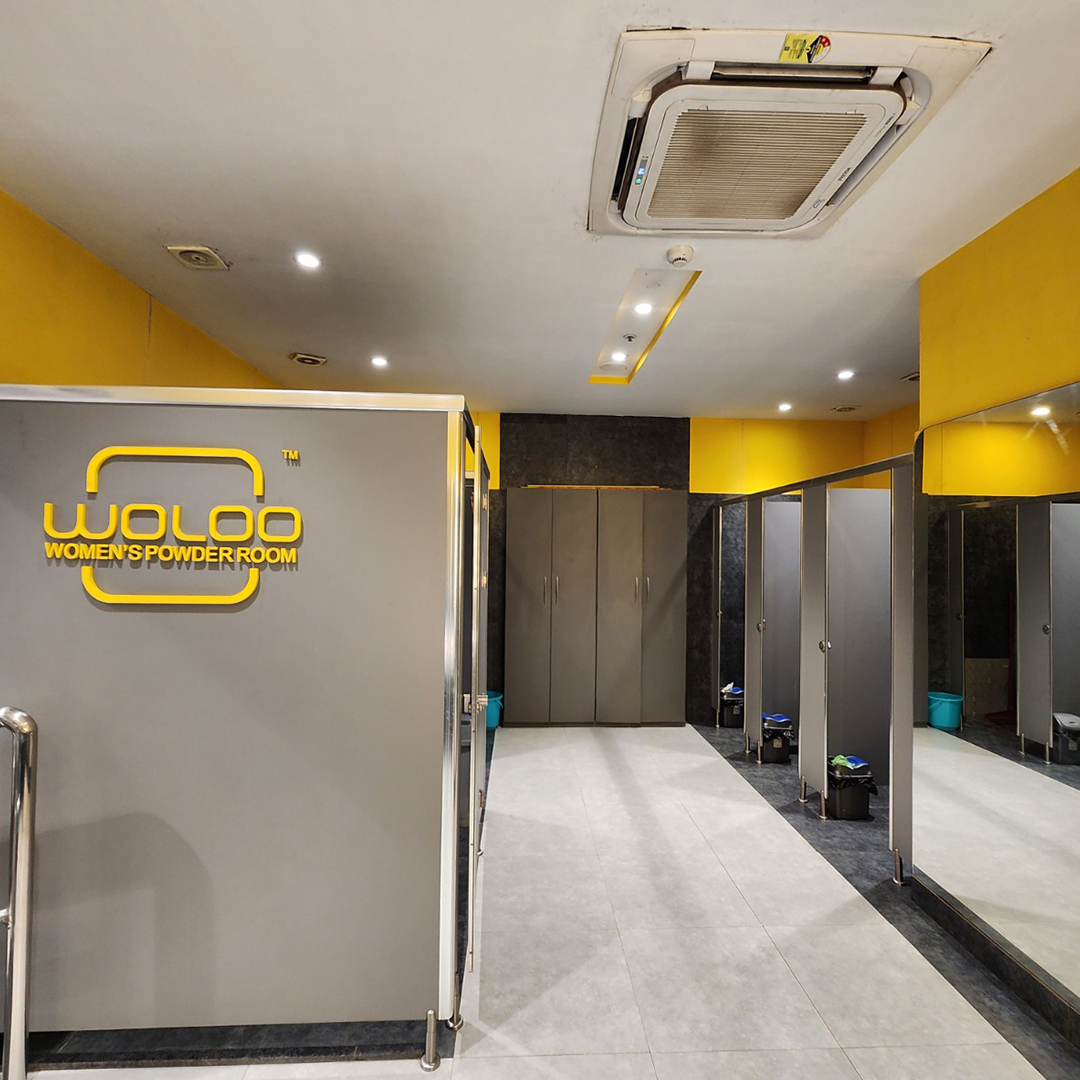
Caption: Contrasting sanitation conditions in India highlight the need to move from infrastructure quantity to measurable quality and accountability.
Understanding Sanitation Infrastructure in India
Sanitation infrastructure includes more than public toilets. It covers an entire ecosystem:
- Public and private toilet facilities
- Underground sewage networks
- Septic tanks and treatment plants
- Stormwater drainage systems
- Solid waste management
- Cleaning and maintenance services
- Hygiene monitoring systems
Together, these components form the sanitation backbone of Indian cities.
When one part fails, the entire system feels the impact.
The Progress So Far
India’s sanitation push has led to:
- Increased toilet coverage
- Greater awareness around hygiene
- Improved rural sanitation access
- Expansion of public sanitation facilities
However, infrastructure expansion has created new challenges.
Maintenance pressure has increased. Usage has risen. Expectations have grown.
The next phase must focus on quality, not just quantity.
The Core Gaps in Current Sanitation Infrastructure
1. Infrastructure Without Real-Time Monitoring
Many sanitation facilities operate without structured supervision.
Common issues include:
- Delayed cleaning
- Broken fixtures left unrepaired
- Water shortages
- Poor ventilation
- Inconsistent hygiene supplies
Without measurable hygiene benchmarks, standards vary widely.
Sanitation infrastructure must include monitoring systems, not just physical structures.
2. Urban Density Is Outpacing Infrastructure Design
Indian cities are expanding rapidly.
High footfall areas such as:
- Railway stations
- Metro stations
- Bus terminals
- Markets
- Commercial complexes
Experience heavy usage every day.
Traditional cleaning schedules cannot adapt to fluctuating demand.
Infrastructure must become responsive to usage patterns.
3. Limited Integration of Technology
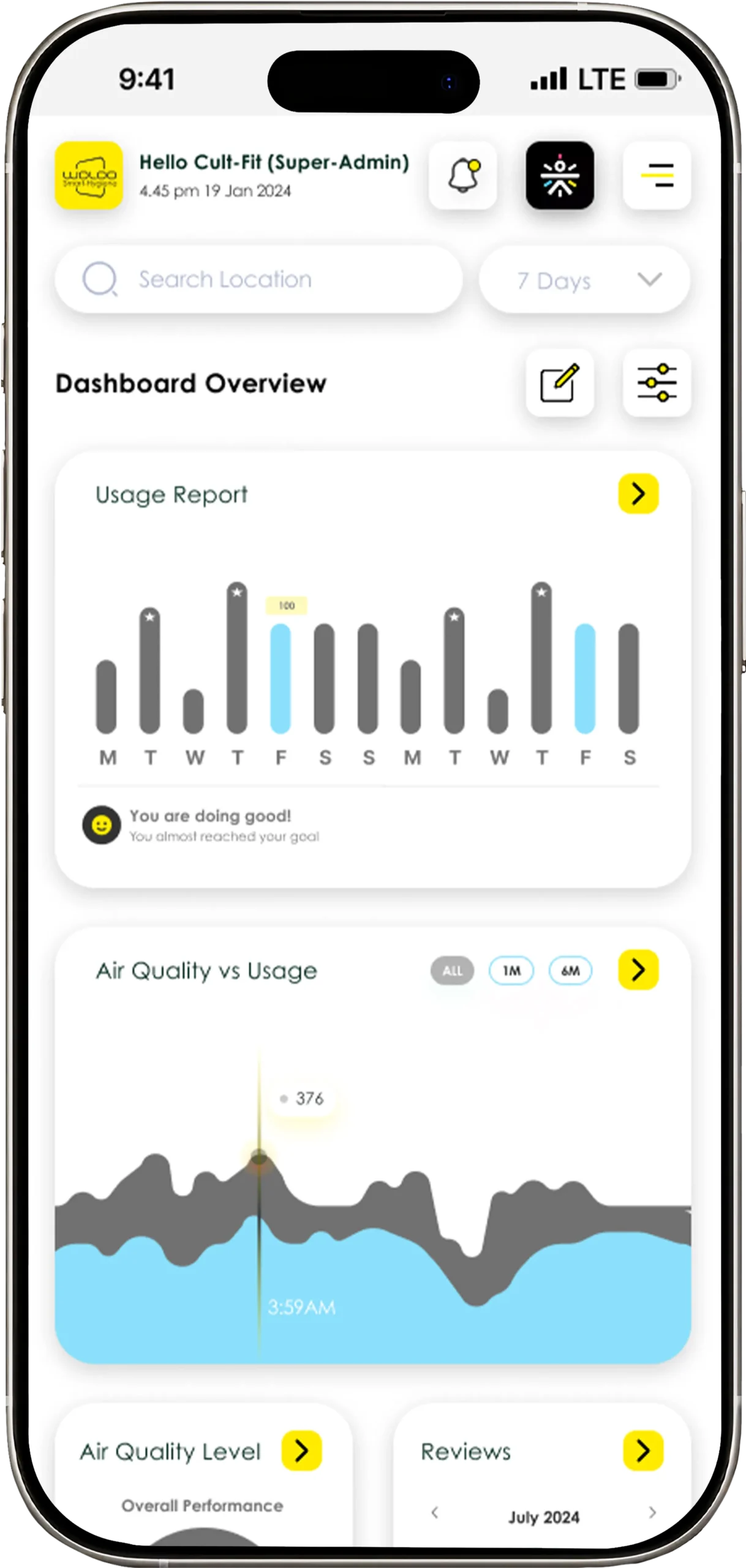
While India has embraced digital transformation in banking, payments, and governance, sanitation infrastructure still relies largely on manual systems.
Smart sanitation services can provide:
- Usage tracking
- Maintenance alerts
- Hygiene audits
- Digital reporting
- Transparent accountability
Without digital integration, sanitation systems remain reactive instead of proactive.
4. Accessibility and Inclusive Design Gaps
Sanitation infrastructure must support:
- Wheelchair access
- Senior citizens
- Pregnant women
- Children
Yet many public sanitation facilities are not fully compliant with accessibility standards.
Infrastructure must be inclusive from the design stage.
5. Women-Centric Planning Is Still Limited
Urban sanitation planning has historically been gender-neutral. But sanitation is not experienced equally.
Women require:
- Privacy
- Safe entry points
- Proper lighting
- Sanitary disposal units
- Clean changing spaces
Sanitation infrastructure in India must integrate women-focused design principles.
Why India Needs a Smart Upgrade
The next stage of sanitation infrastructure development must focus on intelligence.
A smart sanitation system includes:
- Sensor-based monitoring
- Data-driven cleaning schedules
- Real-time hygiene feedback
- Transparent reporting
- Usage analytics
- Structured sanitation services
This reduces uncertainty and builds trust.
Users should not have to guess whether a public washroom is clean.
The Economic Impact of Smart Sanitation
Sanitation is often seen as a cost center. In reality, it influences economic performance.
Reliable sanitation infrastructure:
- Encourages tourism
- Supports workforce mobility
- Increases retail footfall
- Improves public health
- Reduces healthcare costs
Clean public sanitation facilities enhance city reputation.
Smart infrastructure is not a luxury. It is a growth enabler.

Public–Private Collaboration in Infrastructure Expansion
Government-led infrastructure development remains important. However, expanding sanitation access requires collaboration.
Many commercial establishments maintain higher hygiene standards than standalone public facilities.
Integrating such establishments into structured sanitation networks expands infrastructure reach efficiently.
Technology platforms can act as connectors between users and verified facilities.
This creates a layered sanitation ecosystem rather than isolated infrastructure.
The Role of Smart Sanitation Services
Smart sanitation services are redefining hygiene management.
They allow:
- Data collection from high-usage facilities
- Predictive maintenance planning
- Cleanliness benchmarking
- Structured accountability
Instead of waiting for complaints, systems can anticipate needs.
In dense urban environments, this shift is critical.
How Woloo Supports the Smart Upgrade
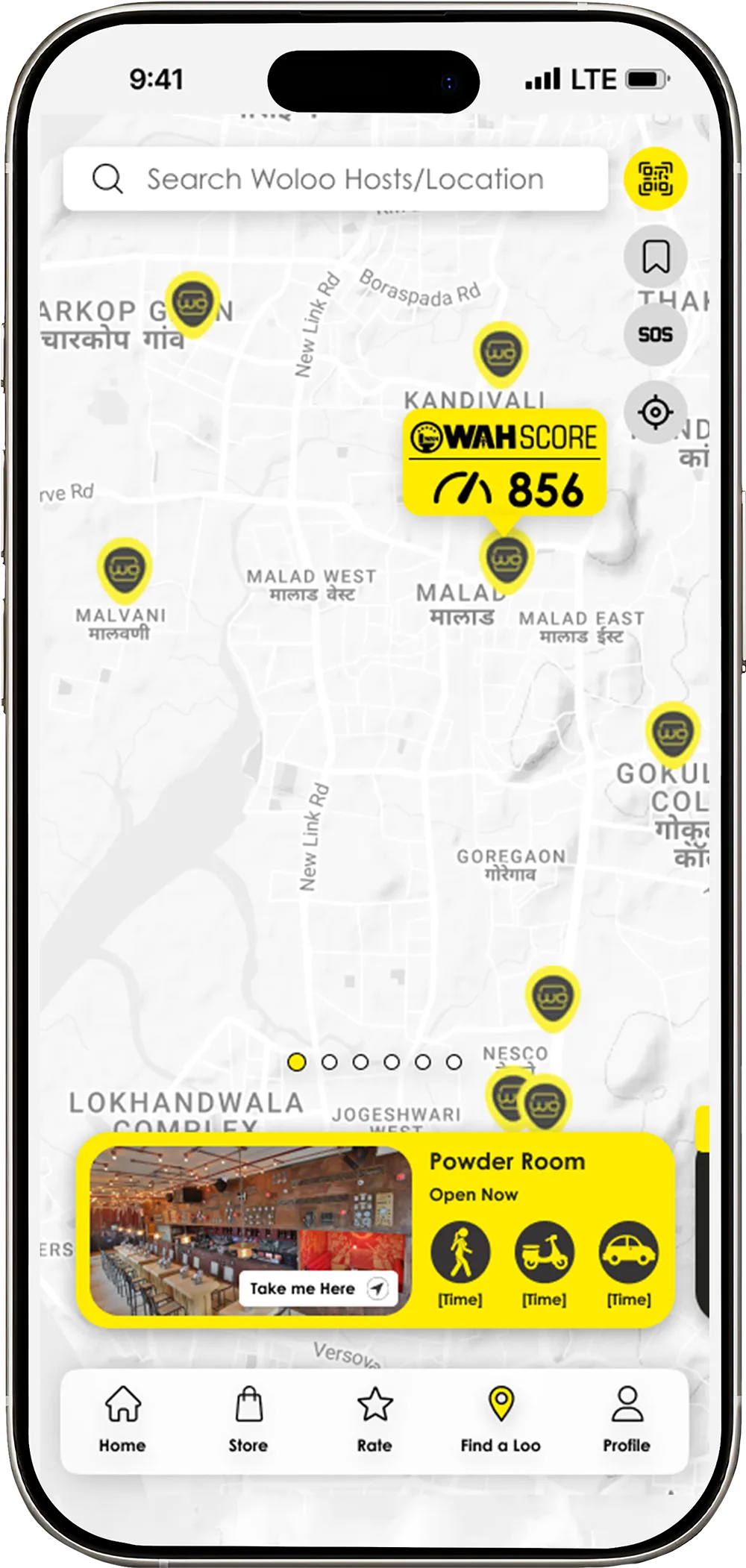
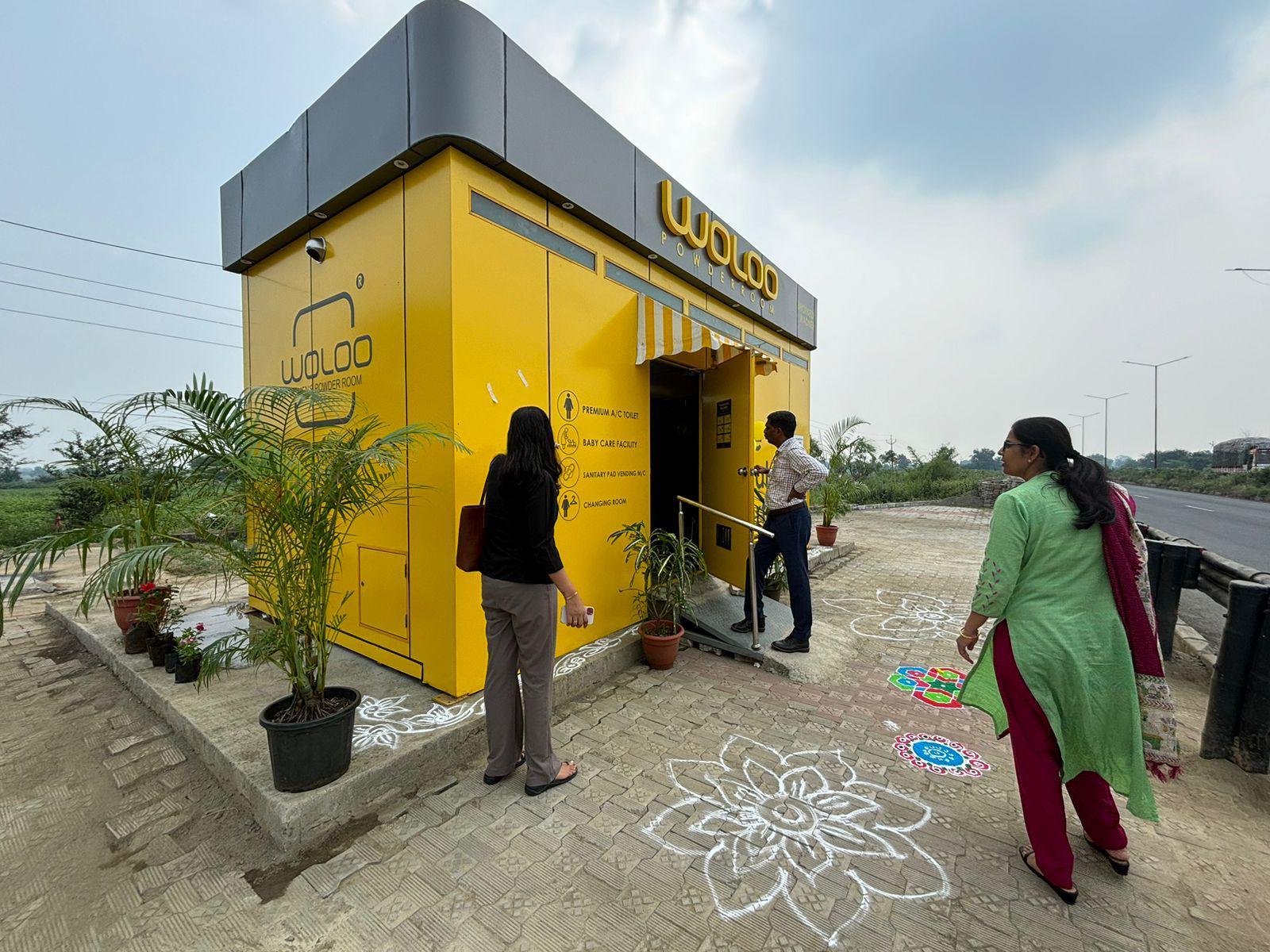
Woloo contributes to the evolution of sanitation infrastructure by connecting users to verified, clean, and safe washrooms across cities.
Rather than relying only on newly constructed public toilets, Woloo integrates trusted establishments into a structured hygiene network.
This approach:
- Expands sanitation access
- Improves safety perception
- Supports women-focused hygiene
- Encourages accountability
- Strengthens urban sanitation ecosystems
Sanitation infrastructure must include both physical assets and discoverability layers.
Woloo strengthens the discoverability layer.
The Future of Sanitation Infrastructure in India
Over the next decade, sanitation infrastructure in India is likely to evolve toward:
- Smart public washrooms
- Real-time monitoring dashboards
- Hygiene compliance audits
- Accessibility-first design
- Women-centric planning
- Integrated public–private sanitation models
Cities that embrace smart sanitation systems will lead in public health and urban comfort.
Infrastructure must move beyond construction targets and focus on sustained quality.
Conclusion
Sanitation infrastructure in India has expanded significantly. The next challenge is making it intelligent, inclusive, and accountable.
Physical construction alone cannot sustain urban hygiene.
Smart monitoring, structured services, women-centric planning, and technology integration must define the next phase.
As Indian cities grow, sanitation must grow smarter.
Download Woloo App
You can easily find clean, safe and hygienic washrooms hosted by Woloo. Woloo hosts & Woloo Powder Rooms are present near the suburban train stations, bus stations, temples, tourist places, and on the main arterial roads.