Home » What Are Basic Sanitation Services? Complete Guide for Indian Cities
Table of Contents
Introduction
When we talk about urban development, we usually think of roads, metro systems, electricity, and digital connectivity. Rarely do we pause to ask a more fundamental question: what are basic sanitation services, and why are they critical to city life?
Basic sanitation services form the backbone of public health and urban dignity. They ensure that citizens have access to safe toilets, clean water, waste disposal systems, and hygienic public spaces.
In Indian cities — where population density is high and infrastructure is constantly under pressure — sanitation is not just a civic responsibility. It is a necessity for economic growth, safety, and quality of life.
Understanding what basic sanitation services truly include is the first step toward improving them.
Defining Basic Sanitation Services
At its core, basic sanitation services refer to systems and facilities that safely manage human waste and maintain hygiene standards in public and private spaces.
In the context of Indian cities, this includes:
- Access to functional and safe toilets
- Reliable water supply for flushing and cleaning
- Sewage and drainage systems
- Solid waste management
- Regular cleaning and maintenance services
- Public sanitation facilities in high-footfall areas
However, sanitation today goes beyond construction. It includes monitoring, accountability, and hygiene standards.
Sanitation must be usable, not just available.
1. Access to Safe and Functional Toilets
The most visible component of sanitation services is toilet access.
In urban India, toilets exist in:
- Residential areas
- Slum rehabilitation projects
- Railway stations
- Bus terminals
- Markets
- Parks
- Government buildings
- Commercial complexes
But access alone does not define quality.
A basic sanitation system must ensure:
- Clean facilities
- Functional plumbing
- Water availability
- Proper ventilation
- Safe surroundings
Without these, sanitation facilities fail their purpose.
2. Water Supply and Hygiene Support
Sanitation and water are inseparable.
Basic sanitation services require:
- Continuous water availability
- Clean handwashing stations
- Soap or sanitiser access
- Proper drainage
A toilet without water is not a sanitation solution. It becomes a public health risk.
Hygiene infrastructure in India must be designed as an integrated system rather than isolated components.
3. Sewage and Drainage Systems
Behind every toilet is an invisible but essential sanitation system.
Indian cities rely on:
- Underground sewage networks
- Septic tanks
- Wastewater treatment plants
- Stormwater drainage
When sewage systems fail, the consequences are severe:
- Water contamination
- Disease spread
- Urban flooding
- Environmental damage
Basic sanitation services must include safe waste treatment and disposal — not just waste collection.
4. Solid Waste Management
Sanitation services extend beyond toilets.
Urban cleanliness depends on:
- Waste segregation
- Regular garbage collection
- Safe disposal
- Public dustbins
- Clean public spaces
Improper solid waste management directly affects public hygiene and health.
Sanitation infrastructure in India must treat waste management as part of the sanitation ecosystem.
5. Public Sanitation Facilities
In growing cities, mobility is high. People spend long hours outside their homes.
Basic sanitation services must therefore include public sanitary facilities that are:
- Accessible
- Clean
- Safe
- Well maintained
- Strategically located
Public washrooms are essential for:
- Commuters
- Tourists
- Delivery workers
- Women
- Senior citizens
- People with disabilities
A city cannot claim strong sanitation services if public facilities are unreliable.
6. Maintenance and Cleaning Services
Sanitation services are not one-time installations.
They require:
- Daily cleaning schedules
- Supervision and inspection
- Hygiene benchmarks
- Supply management
- Repair and upkeep
Without maintenance, infrastructure deteriorates quickly.
Sanitation services must be structured and accountable.
The Gap Between Policy and Reality
India has implemented several sanitation missions over the years. Infrastructure coverage has improved significantly.
However, the real challenge lies in:
- Maintenance gaps
- Inconsistent hygiene standards
- Lack of monitoring
- Poor accessibility
- Limited real-time reporting
Sanitation services must evolve from construction-focused to system-focused.
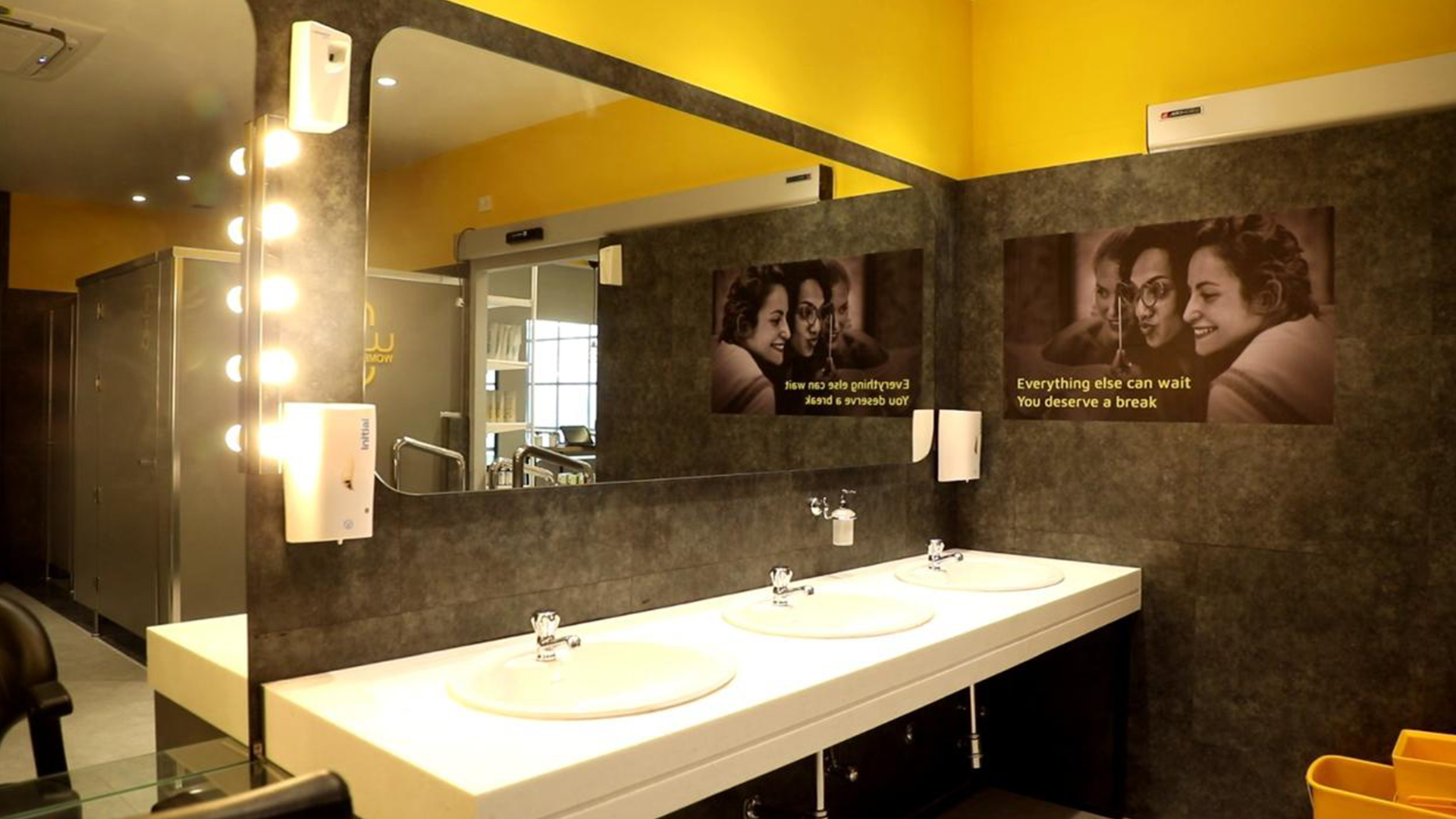
Why Technology Is Becoming Essential in Sanitation Services
Modern sanitation systems rely increasingly on digital support.
Technology enables:
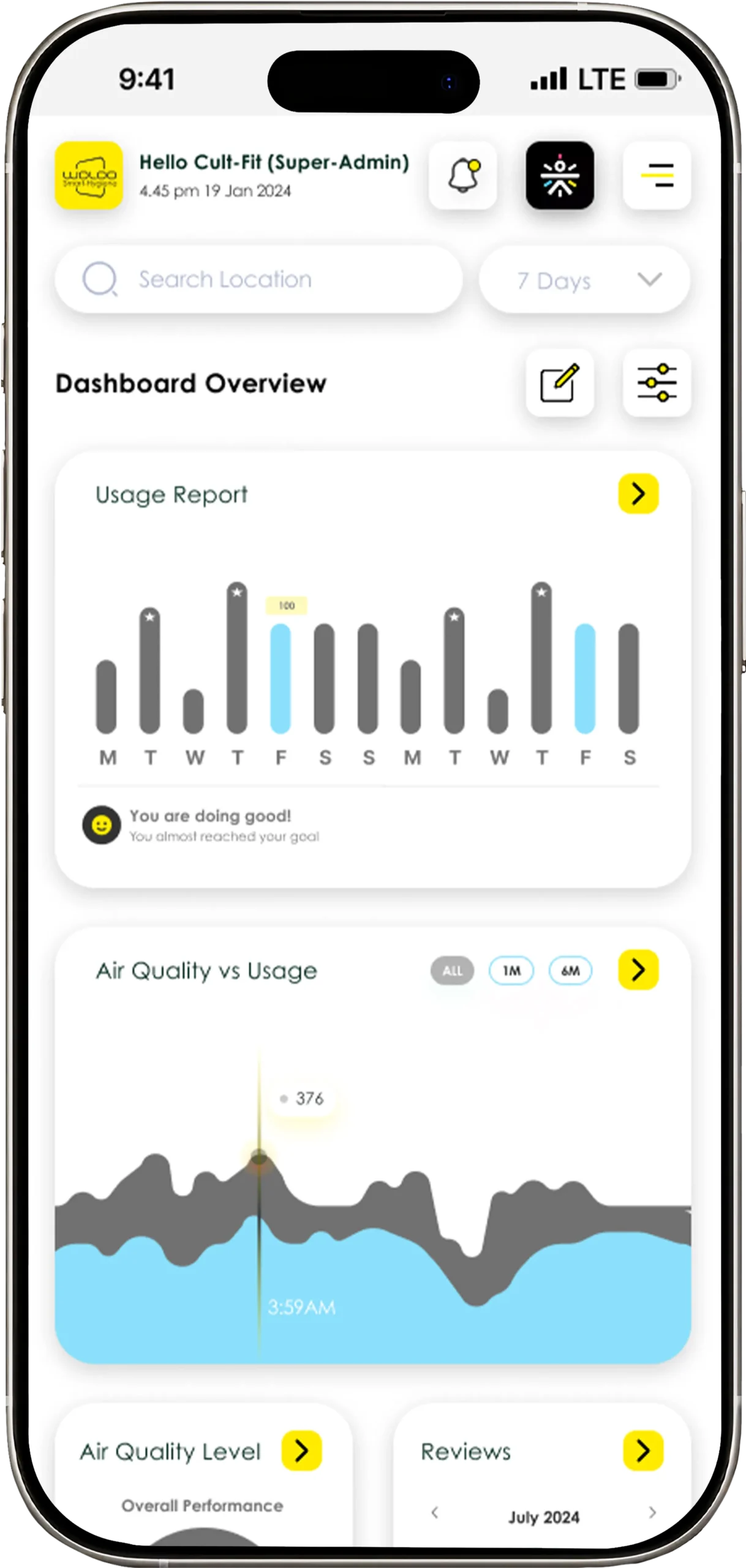
- Real-time hygiene feedback
- Usage tracking
- Maintenance alerts
- Transparent ratings
- Location-based discovery
Smart sanitation services improve efficiency and accountability.
Instead of reacting to complaints, systems can respond proactively.
This shift is particularly important in large cities where manual monitoring is difficult.
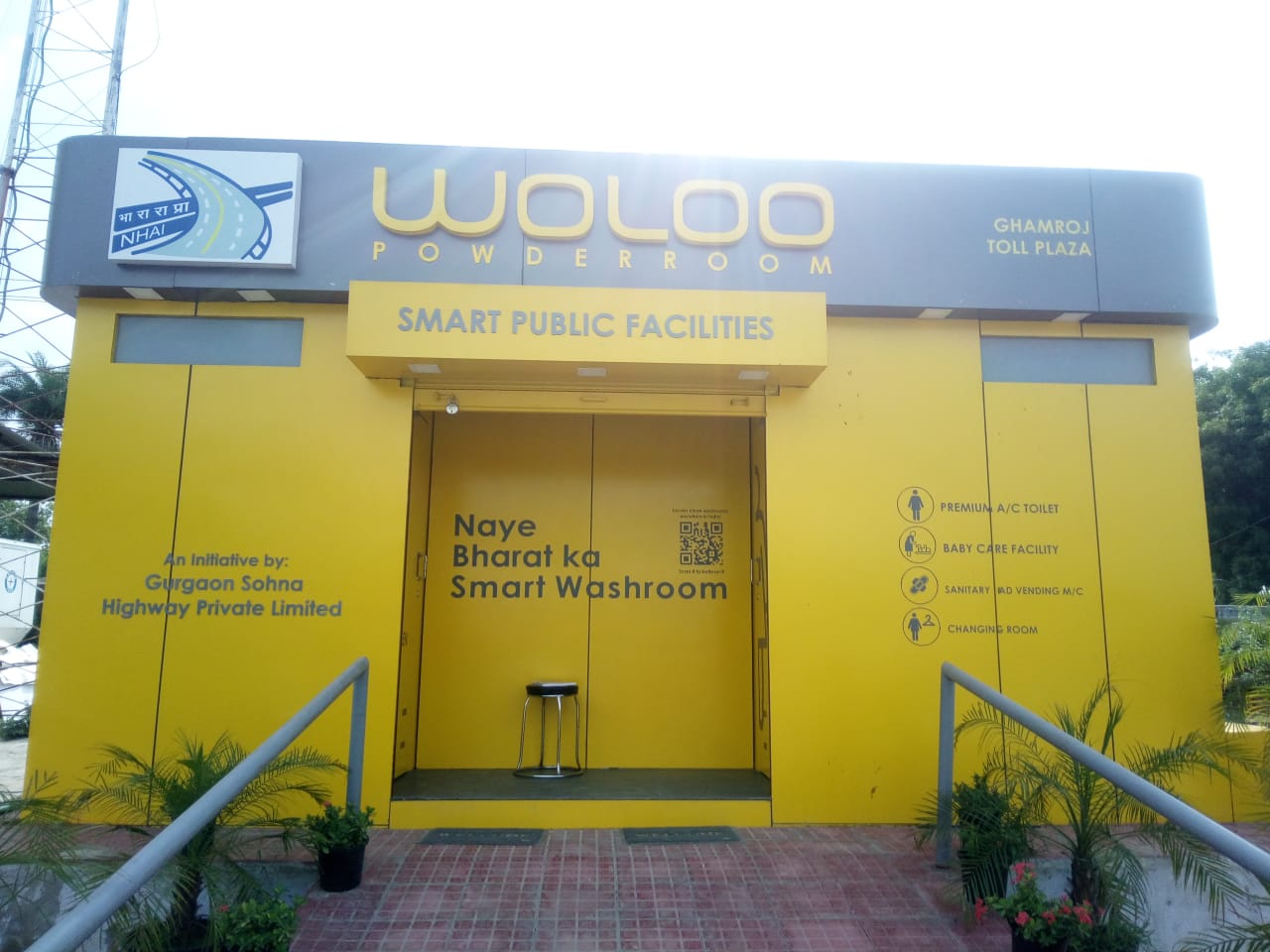
Women and Basic Sanitation Services
Basic sanitation services must be inclusive.
For women, essential features include:
- Safe and private washrooms
- Sanitary disposal units
- Proper lighting
- Clean changing spaces
Without these, sanitation access becomes limited.
Women-focused sanitation planning is a critical part of modern hygiene infrastructure.
When women feel confident about washroom access, urban mobility increases significantly.
Accessibility and Inclusive Sanitation
Sanitation services must also support:
- Wheelchair access
- Grab bars
- Adequate turning space
- Clear signage
Disability-friendly toilets should be integrated into all public sanitation planning.
Inclusion strengthens the sanitation system.

The Role of Public–Private Collaboration
Indian cities are increasingly exploring partnerships to strengthen sanitation services.
Commercial establishments often maintain higher hygiene standards.
Integrating these facilities into structured networks expands sanitation access without massive new infrastructure investment.
Technology-driven platforms can connect users to verified and hygienic facilities across cities.
This model improves reliability and user trust.
How Woloo Contributes to Basic Sanitation Services
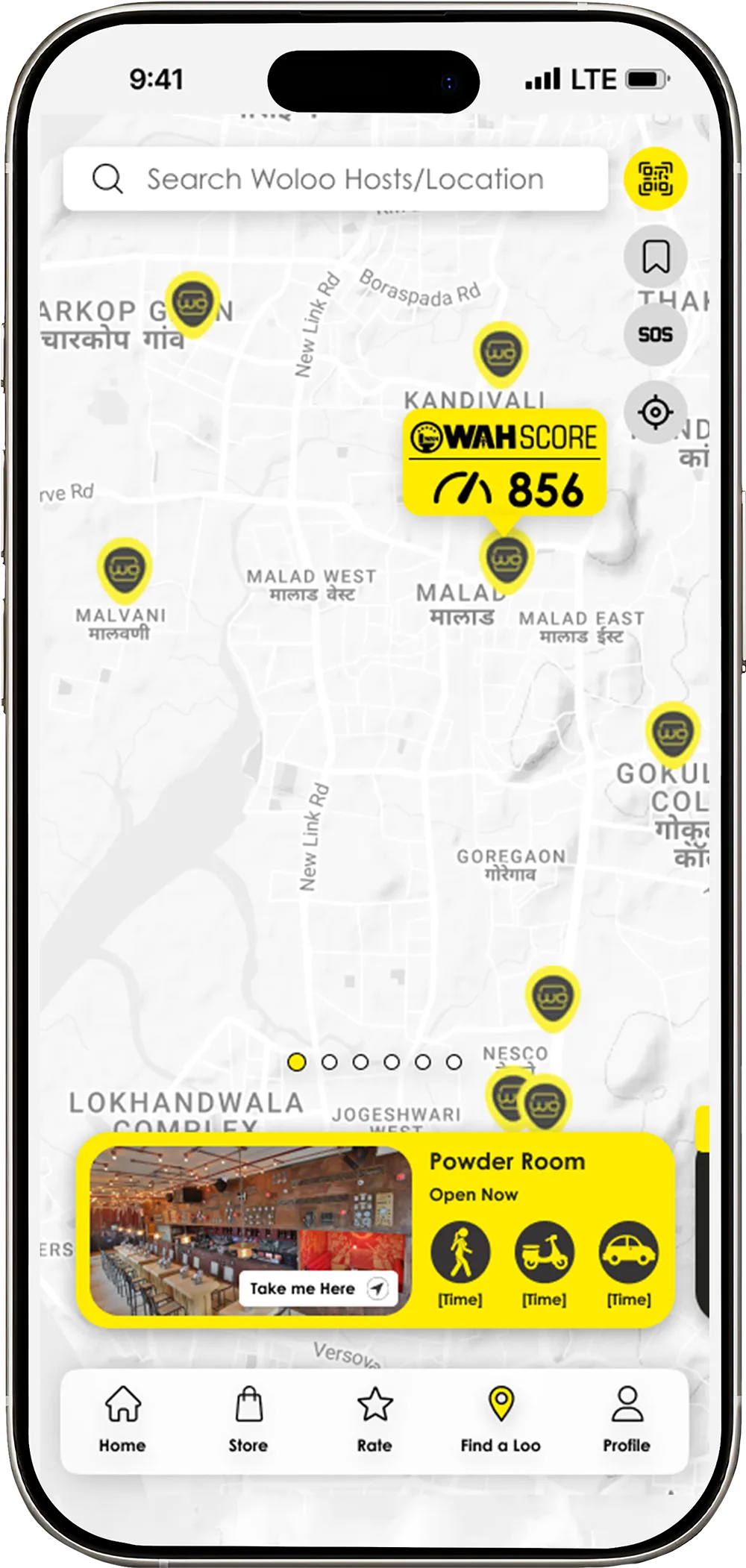
Woloo supports urban sanitation by connecting users to verified, clean, and safe washrooms through a structured partner network.
Instead of depending solely on traditional public toilets, users can access hygienic facilities maintained by trusted establishments.
This approach:
- Expands sanitation coverage
- Improves safety perception
- Supports women’s hygiene needs
- Strengthens accountability
Basic sanitation services must combine infrastructure with discoverability.
Woloo contributes to that discoverability layer in modern Indian cities.
The Future of Sanitation Services in India
The next phase of sanitation system in India will focus on:
- Smart sanitation services
- Data-driven monitoring
- Hygiene benchmarks
- Accessibility standards
- Women-first infrastructure planning
Sanitation services must evolve from reactive maintenance to proactive management.
Urban growth demands structured hygiene ecosystems.
Conclusion
Basic sanitation services are more than toilets. They represent a structured system that protects public health, supports mobility, and strengthens urban dignity.
In Indian cities, sanitation must be reliable, inclusive, and accountable.
Infrastructure is only the beginning. Maintenance, monitoring, accessibility, and discoverability complete the system.
As cities expand and expectations rise, sanitation services must rise with them.
Download Woloo App
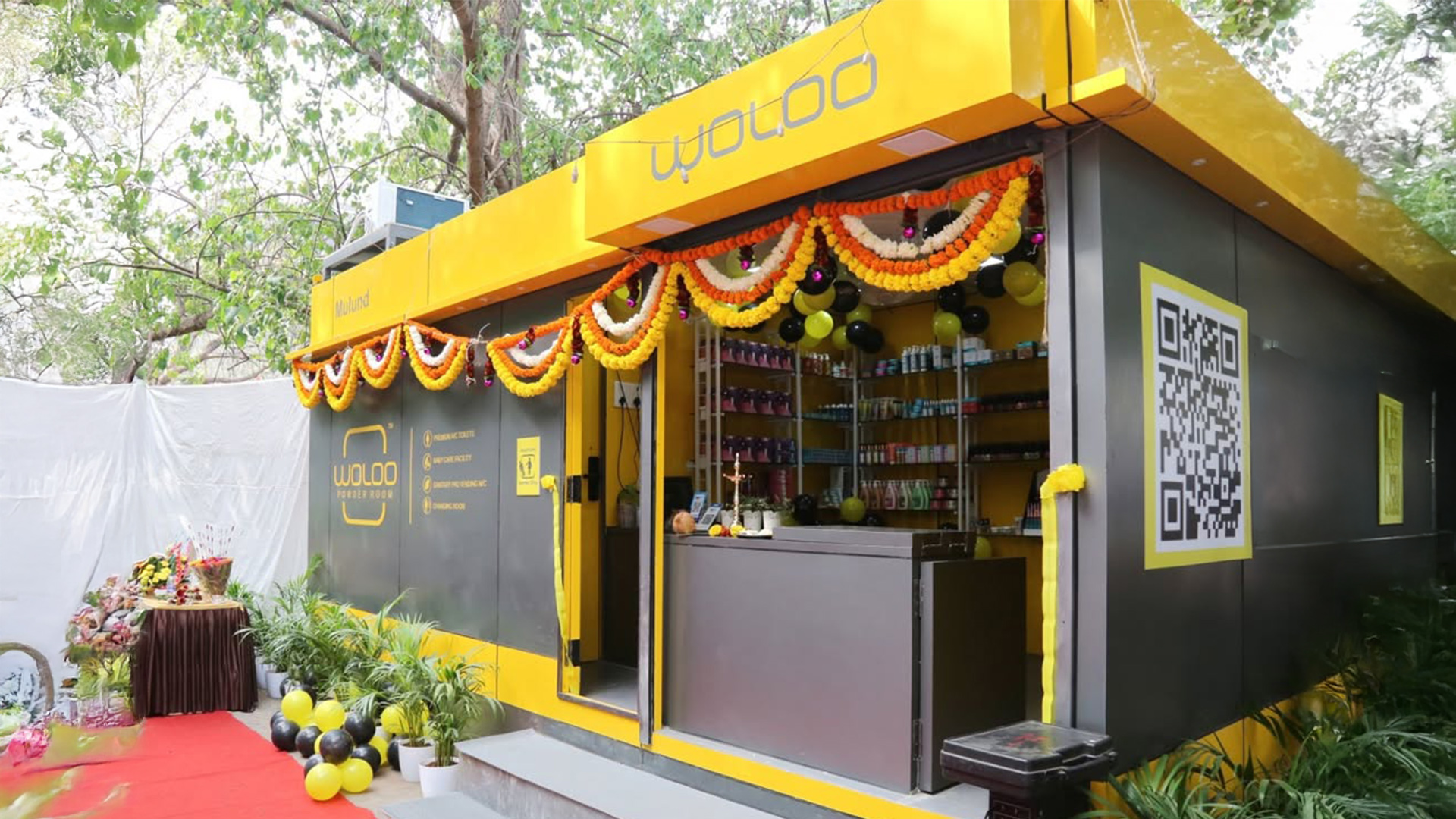
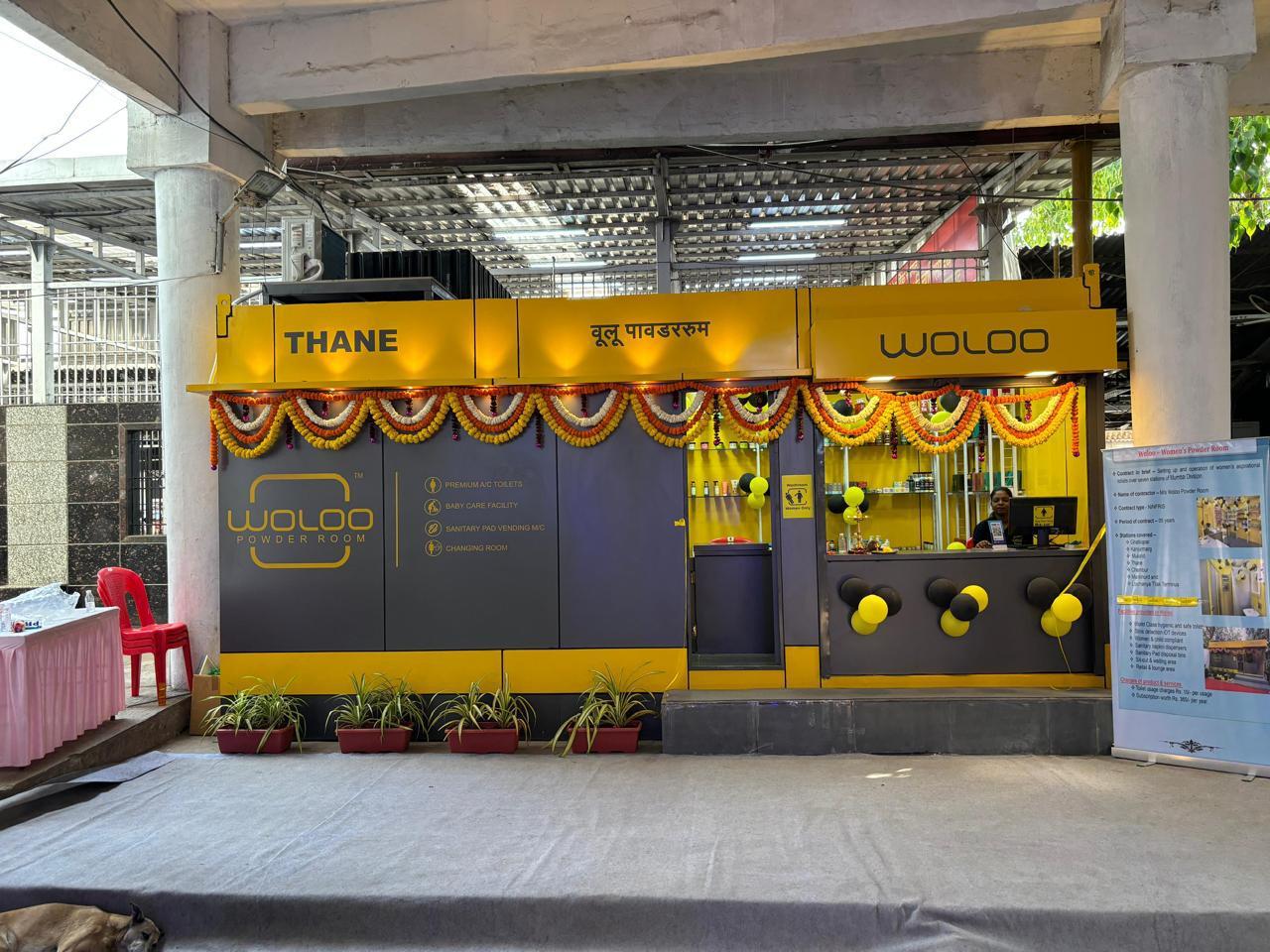
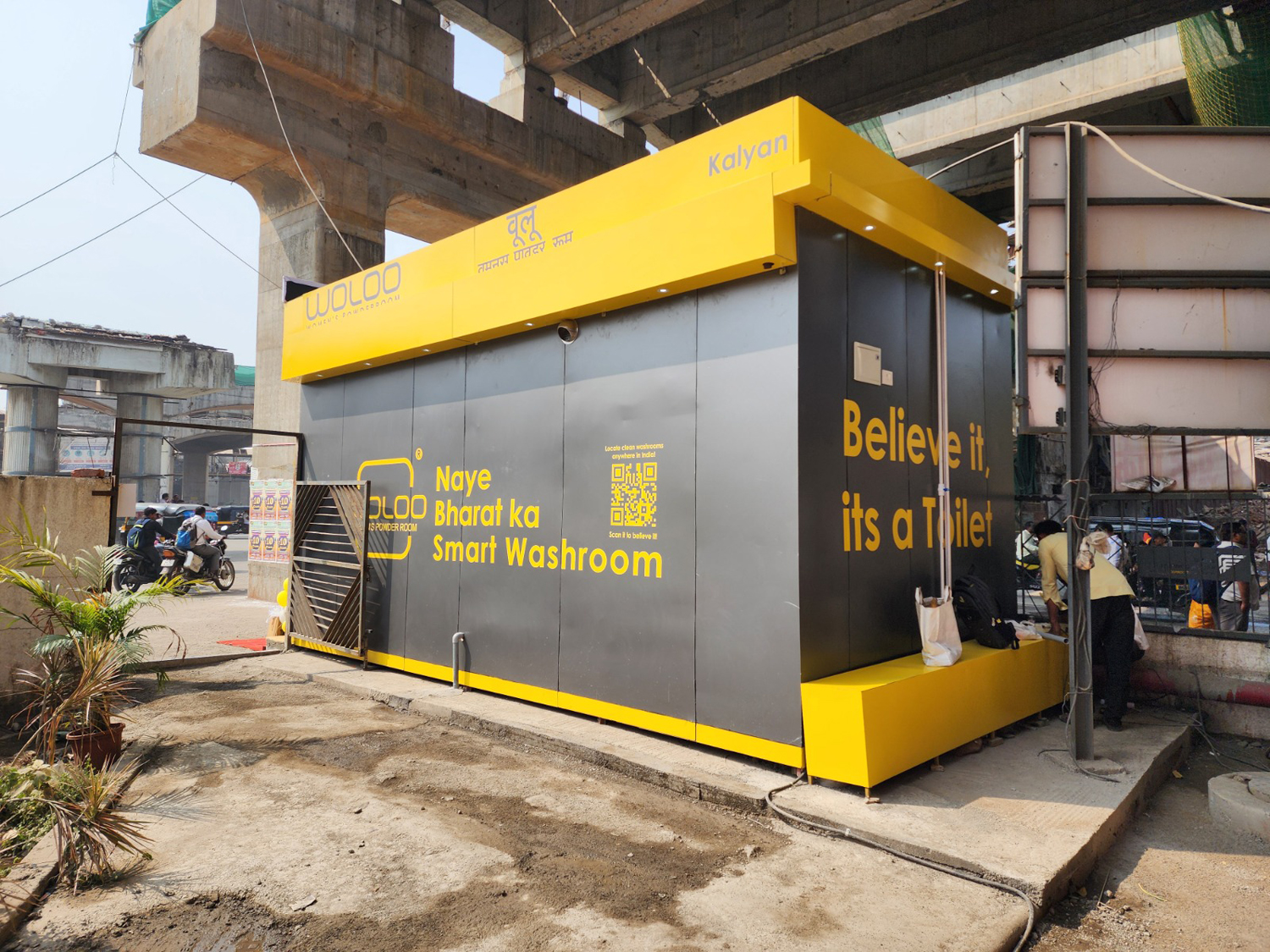
You can easily find clean, safe and hygienic washrooms hosted by Woloo. Woloo hosts & Woloo Powder Rooms are present near the suburban train stations, bus stations, temples, tourist places, and on the main arterial roads.