Home » Sanitation at Public Places in India: Challenges, Solutions & the Future
Table of Contents
Introduction
Sanitation at public places in India is no longer just about cleanliness. It is directly connected to public health, safety, mobility, productivity, and urban dignity.
Every day, millions of Indians use railway stations, bus terminals, shopping malls, highways, government offices, markets, and public parks. These spaces represent the real experience of a city. And the sanitation of public places often determines whether that experience is comfortable or stressful.
India has made major strides in improving sanitation infrastructure. However, the conversation is shifting from building toilets to maintaining standards, ensuring safety, and integrating technology.
Public sanitation must now move from quantity to quality.
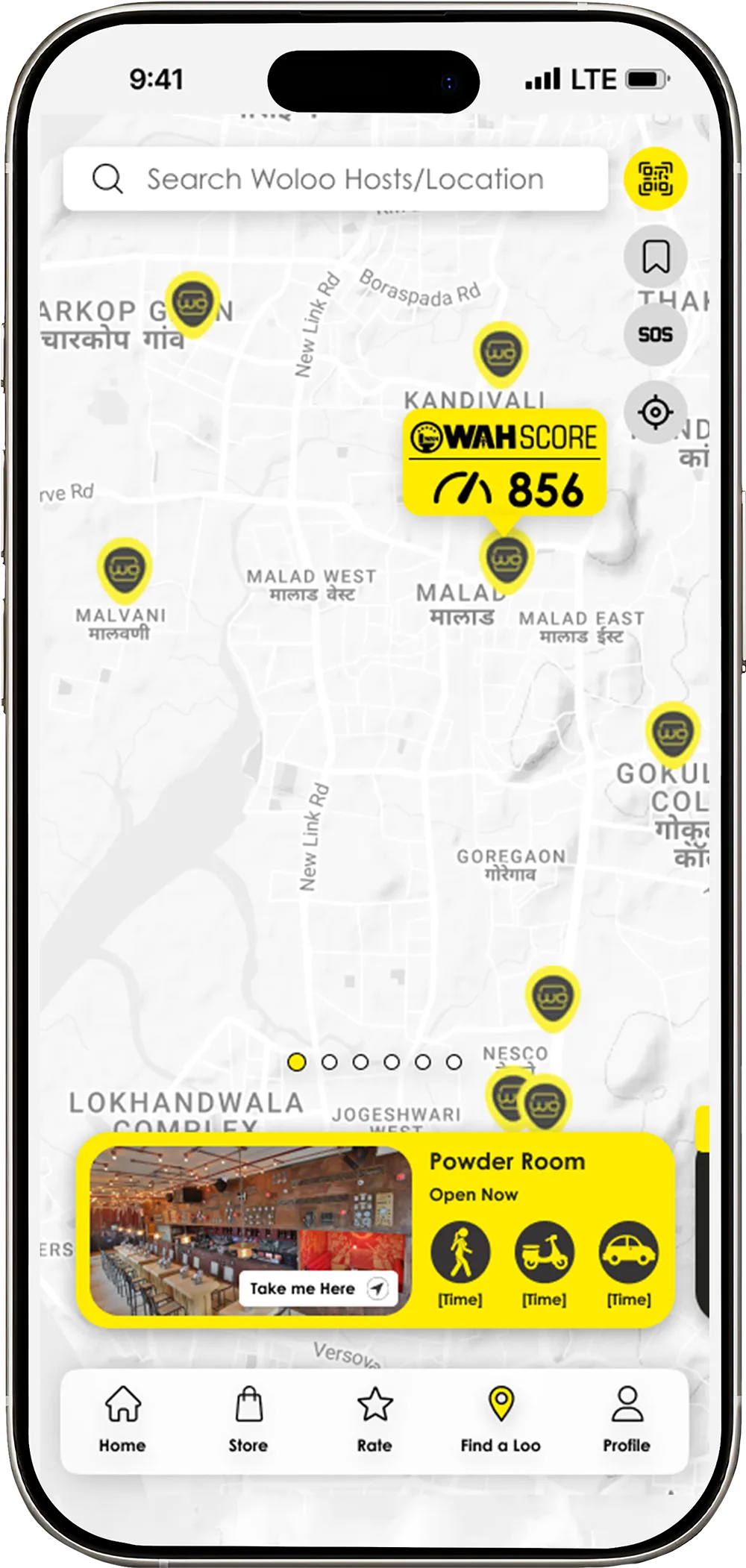
Today, platforms like Woloo are helping users find verified, clean washrooms near them, bringing structure and accountability to urban sanitation.
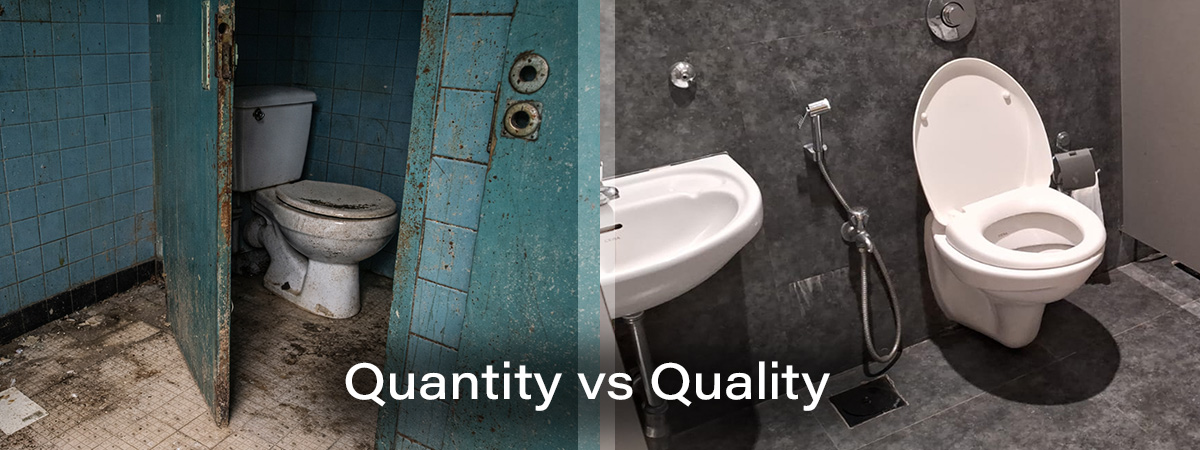
Caption: Contrasting sanitation conditions in India highlight the need to move from infrastructure quantity to measurable quality and accountability.
Why Sanitation at Public Places Matters More Than Ever
Urban India is dense and fast-moving. Public sanitary facilities are not optional services they are critical infrastructure.
Poor sanitation leads to:
- Spread of infectious diseases
- Reduced participation of women in workforce and travel
- Discomfort for elderly and differently-abled individuals
- Negative perception of cities
- Lower tourism confidence
Clean sanitation facilities influence economic growth more than most people realise
When people search for “clean public toilets near me” and cannot find reliable options, mobility reduces.
Sanitation at public places directly impacts national progress.
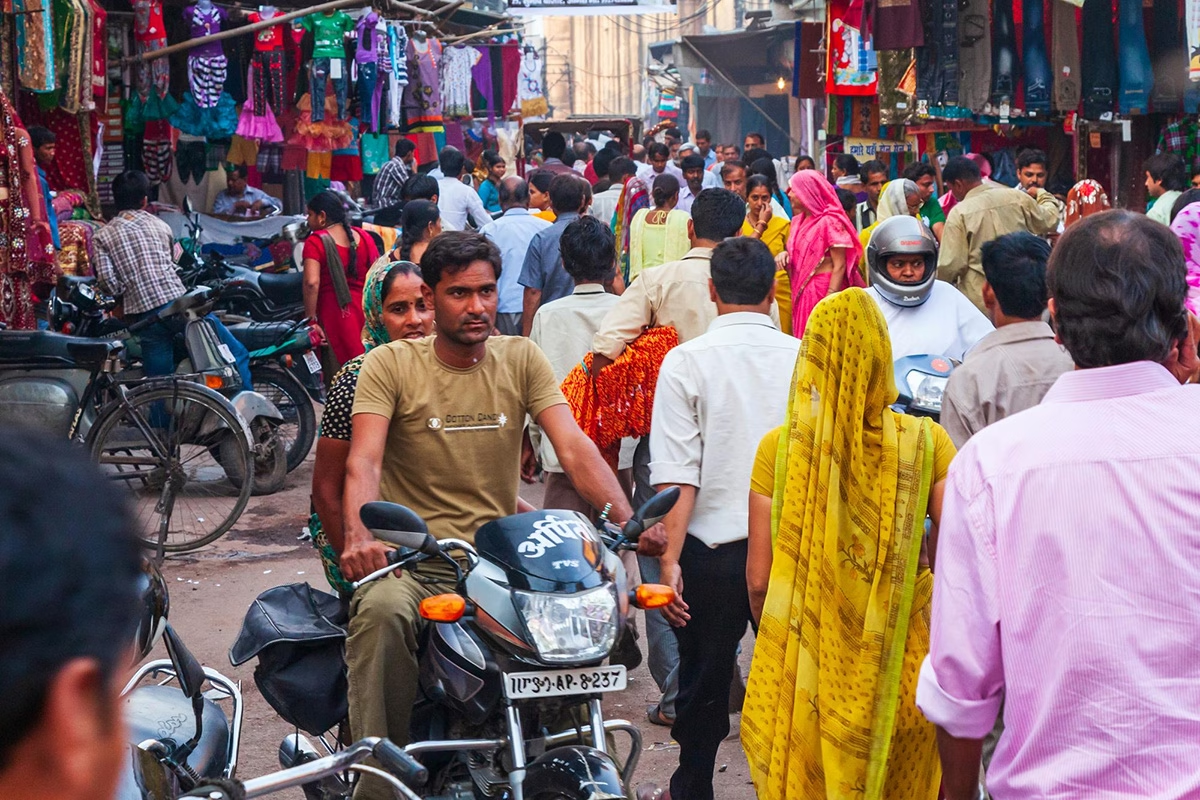
Caption: Poor sanitation in high-footfall public spaces increases health risks and reduces urban mobility.
The Ground Reality: Key Challenges
1. Infrastructure Exists, Standards Don’t
India has built thousands of public toilets. But infrastructure without consistent maintenance creates trust gaps.
Common issues include:
- Irregular cleaning cycles
- Water shortages
- Broken fixtures
- Poor ventilation
- Lack of hygiene supplies
Sanitation facilities must be reliable, not just available.
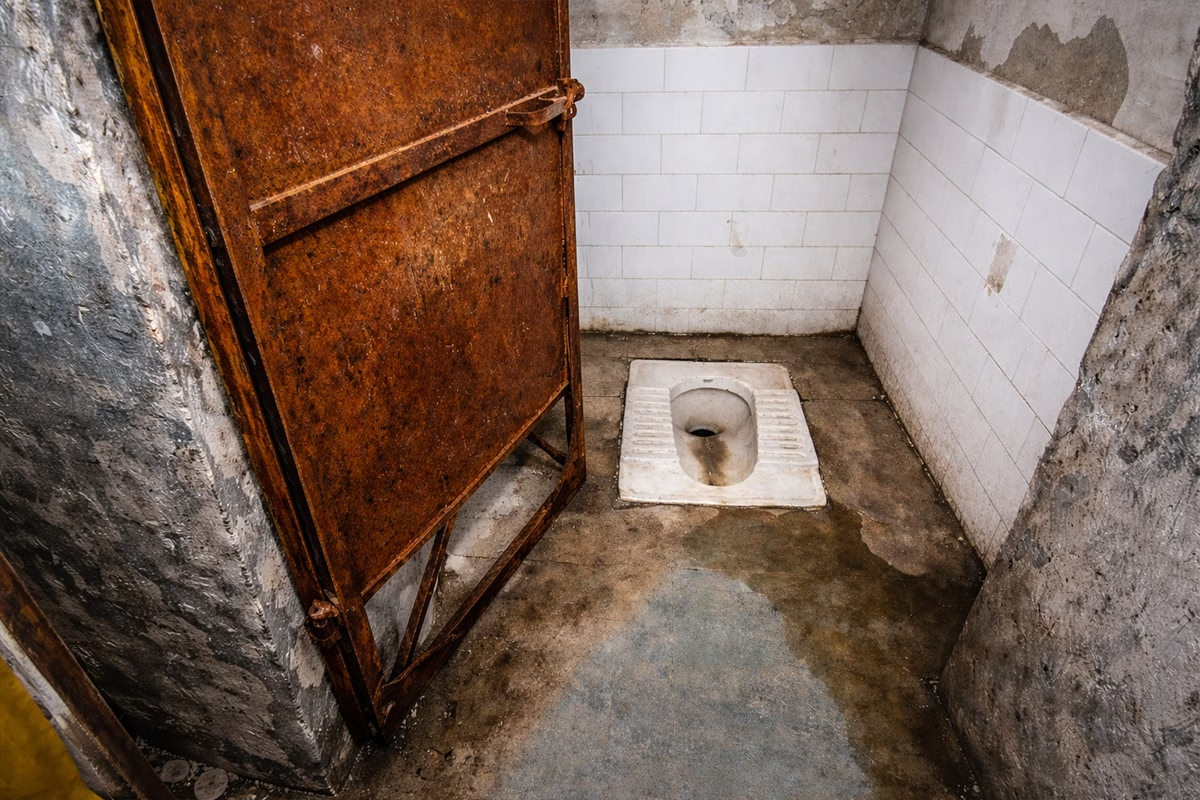
Caption: Public sanitation infrastructure without consistent maintenance creates trust gaps among users.
2. Women’s Hygiene and Safety Concerns
For women, public washrooms are not just about hygiene they are about safety and dignity.
Common concerns:
- Poor lighting
- Lack of privacy
- No sanitary disposal units
- Unsafe surroundings
When women cannot rely on clean washrooms, mobility becomes restricted. That has economic and social consequences.
Women searching for a safe ladies washroom near me often face uncertainty in public spaces.
Women-first sanitation planning is no longer optional.
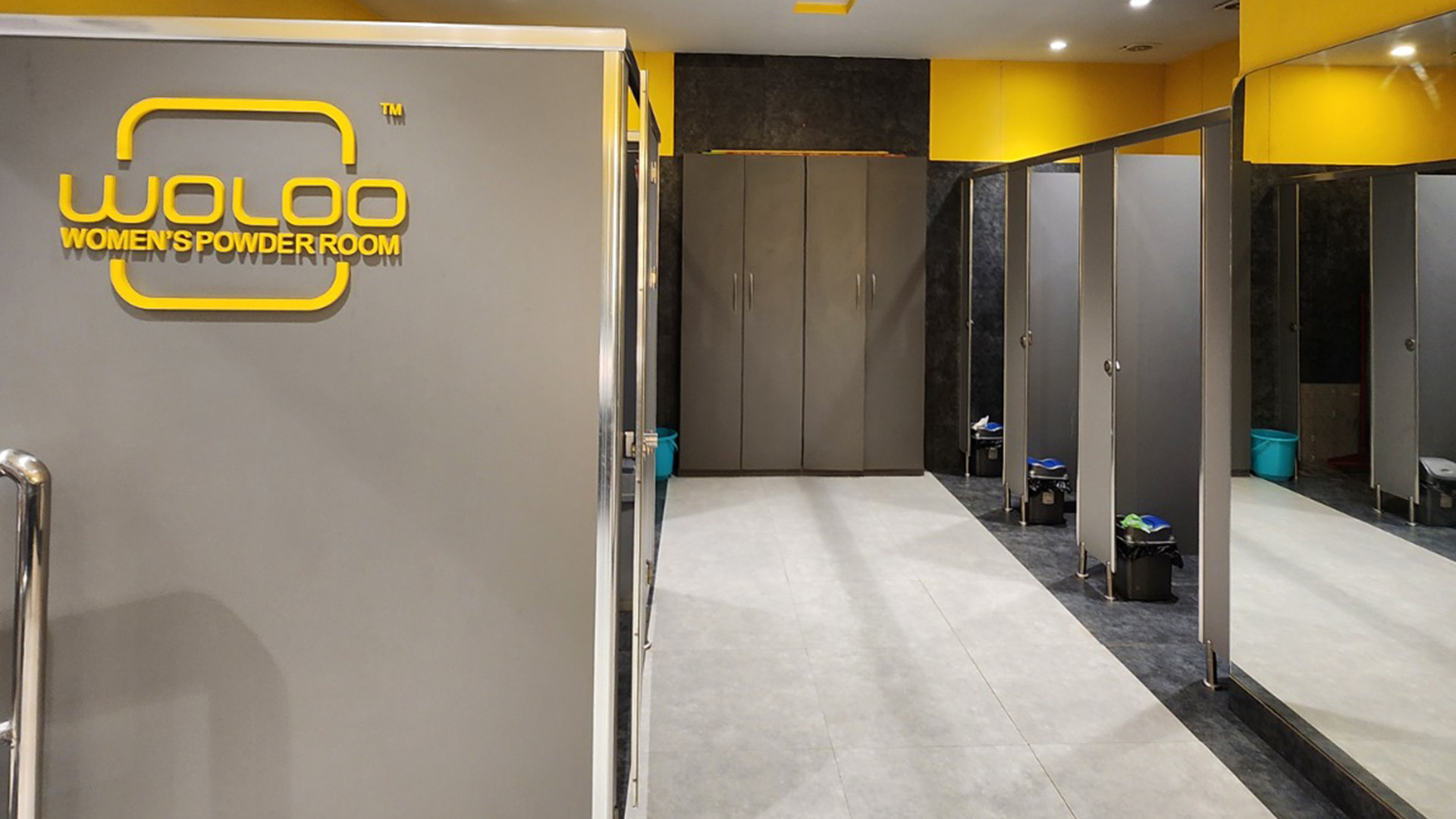
Caption: Safe and private public washrooms are essential for protecting women’s dignity and enabling equal mobility.
3. Weak Monitoring & Accountability
Most public sanitation systems operate reactively. Complaints are addressed after deterioration.
What is missing:
- Real-time feedback systems
- Usage tracking
- Cleanliness benchmarks
- Digital reporting
Without transparency, sanitation of public places remains inconsistent.
4. Accessibility Gaps
Public washrooms often ignore:
- Wheelchair access
- Grab bars
- Proper space dimensions
- Inclusive design
Disability-friendly toilets should be a standard feature, not a separate category.
5. High Footfall Pressure
Transport hubs and markets experience heavy usage. Static cleaning schedules fail in dynamic environments.
Sanitation infrastructure in India must adapt to usage patterns.
The Shift Toward Smart Sanitation Infrastructure
What Smart Infrastructure Includes:
- Defined hygiene benchmarks
- Regular inspection logs
- Contactless fixtures
- Digital feedback systems
- Usage-based cleaning models
Technology allows hygiene to become measurable rather than assumed.
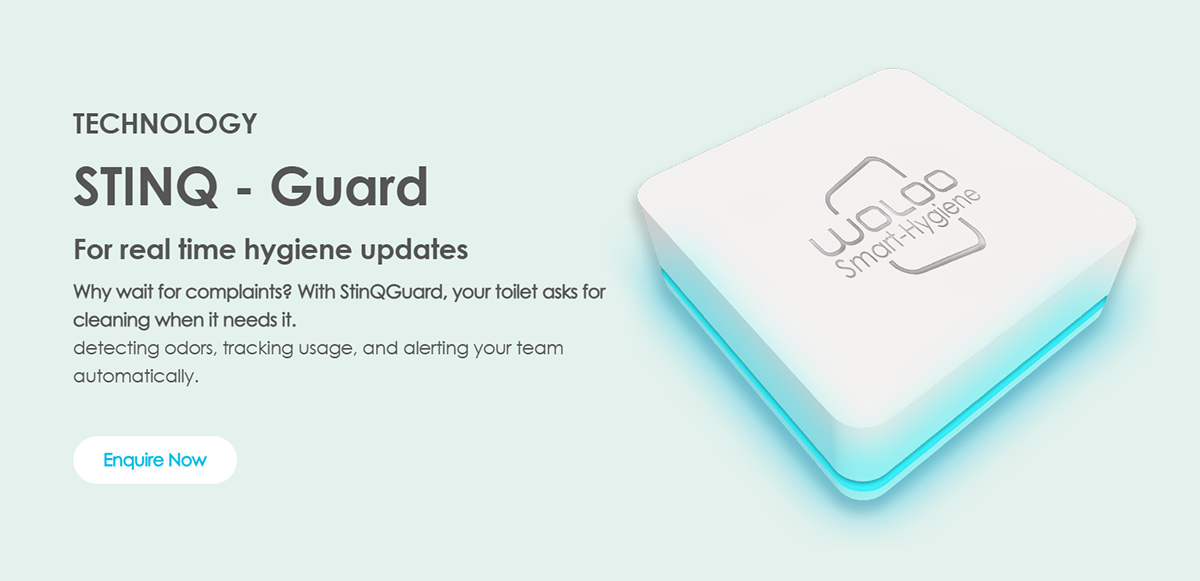
Caption: Smart sanitation systems integrate technology, inspection logs, and hygiene benchmarks to ensure consistent standards.
How Woloo Enables Smart Sanitation
- Verified locations
- Rating system
- Structured hygiene standards
Make Woloo look like solution, not just mention.
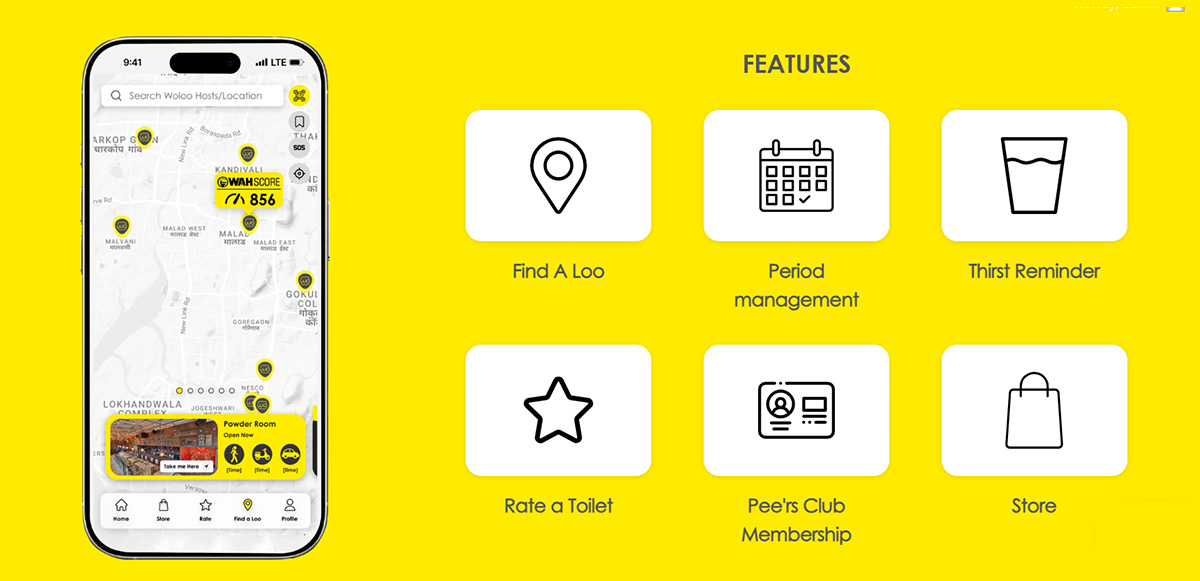
Caption: Digital platforms like Woloo help users discover verified public washrooms through structured hygiene networks.
Public Private Collaboration: A Scalable Model
Instead of relying only on government-built toilets, cities are exploring partnerships.
Businesses, commercial establishments, and hospitality spaces often maintain high-quality restrooms. Integrating them into public hygiene networks expands sanitation access without heavy infrastructure cost.
This hybrid model is scalable and efficient.
Platforms that connect users to verified washrooms create structured sanitation ecosystems rather than scattered facilities.

Caption: Public–private collaboration expands access to quality sanitation without large-scale infrastructure delays.
The Role of Technology in Public Sanitation
Sanitation problems in India are not only infrastructure issues. They are management issues.
Technology enables:
- Location-based washroom discovery
- Hygiene verification
- Transparent ratings
- Faster issue resolution
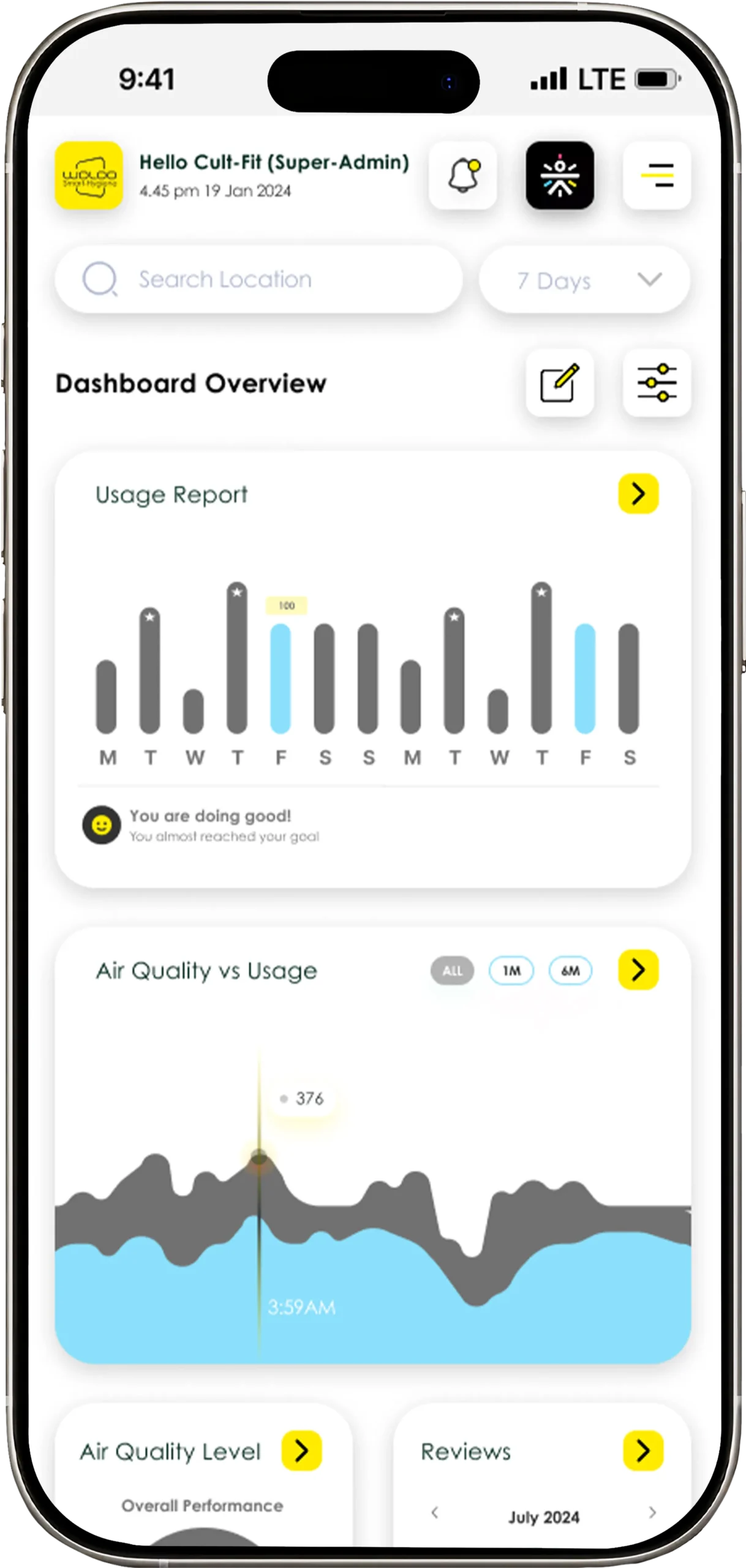
- Data-driven maintenance
Instead of wondering whether a facility is clean, users can rely on verified systems.
As a sanitation technology-driven platform, Woloo contributes by creating structured access to clean and safe washrooms through trusted partner locations.
This improves mobility, especially for women navigating urban spaces.
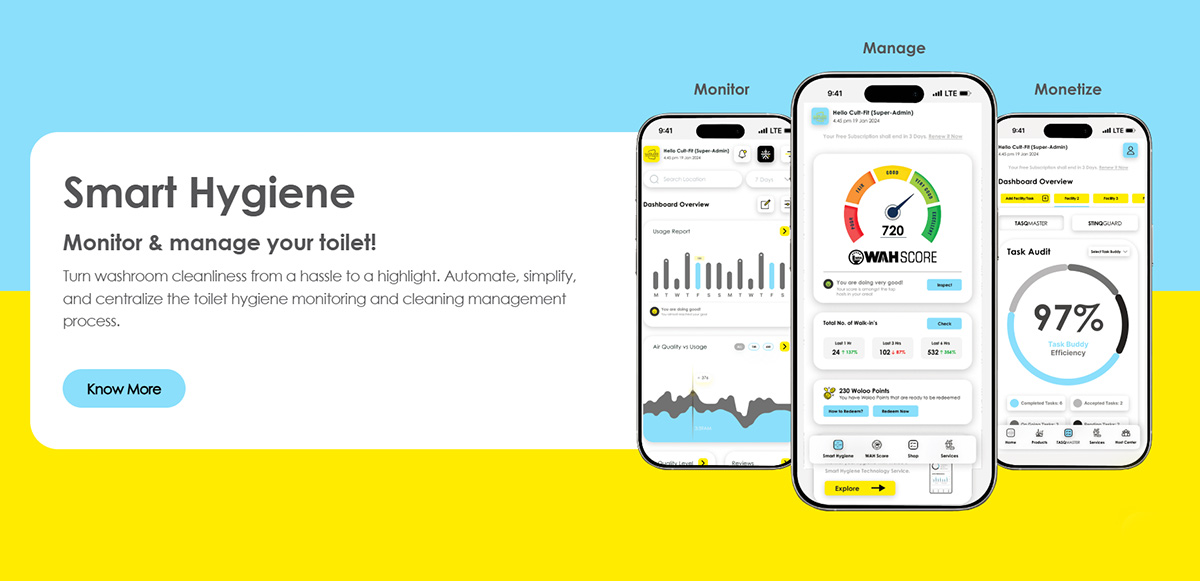
Caption: Technology-driven sanitation management enhances transparency, accountability, and faster issue resolution.
Why Sanitation Must Be Treated as Urban Infrastructure
Roads, electricity, and water are seen as infrastructure. Sanitation should be treated the same way.
Cities that prioritise public hygiene:
- Improve public health outcomes
- Enhance tourism
- Support workforce participation
- Improve safety perception
- Build stronger civic trust
Sanitation at public places influences urban dignity.
Technology enables location-based washroom discovery through verified digitalplatforms.
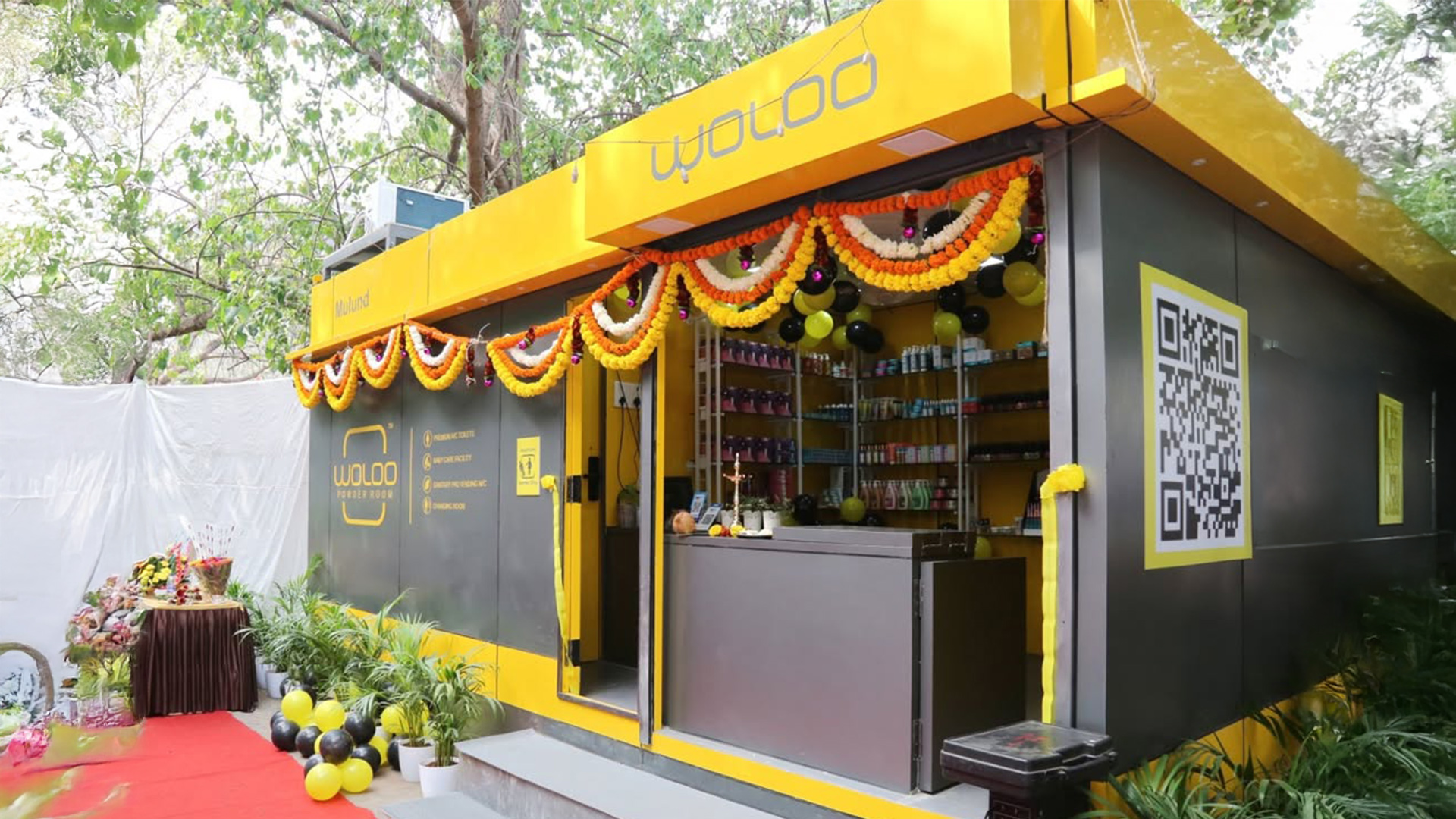
Caption: Sanitation at public places must be treated as core urban infrastructure alongside roads and utilities.
The Future of Sanitation in India
The next phase of sanitation evolution includes:
- Smart public washrooms
- Technology-backed hygiene monitoring
- Women-first sanitation planning
- Accessibility compliance
- Structured sanitation services
The focus is shifting from building more toilets to building better systems.
Sanitation must be measurable, accountable, and user-centric.
The future of sanitation in India is not just about construction. It is about ensuring that when someone searches for a safe washroom near me, they find a verified, hygienic, and accessible option instantly.
How Woloo Fits Into the Urban Sanitation Ecosystem
Woloo is building a verified network of clean and safe washrooms across Indian cities, with a strong focus on women’s hygiene.
By partnering with trusted establishments, it helps expand sanitation access without waiting for large-scale construction.
Users searching for clean public toilets can discover verified washrooms and access safer facilities through structured hygiene systems.
This model strengthens the sanitation ecosystem while maintaining standards.
Conclusion
Sanitation at public places in India is evolving. The conversation is moving from construction
to accountability, from availability to reliability.
Clean, safe, and accessible public sanitary facilities are essential for urban growth.
As India modernises, sanitation must modernise with it.
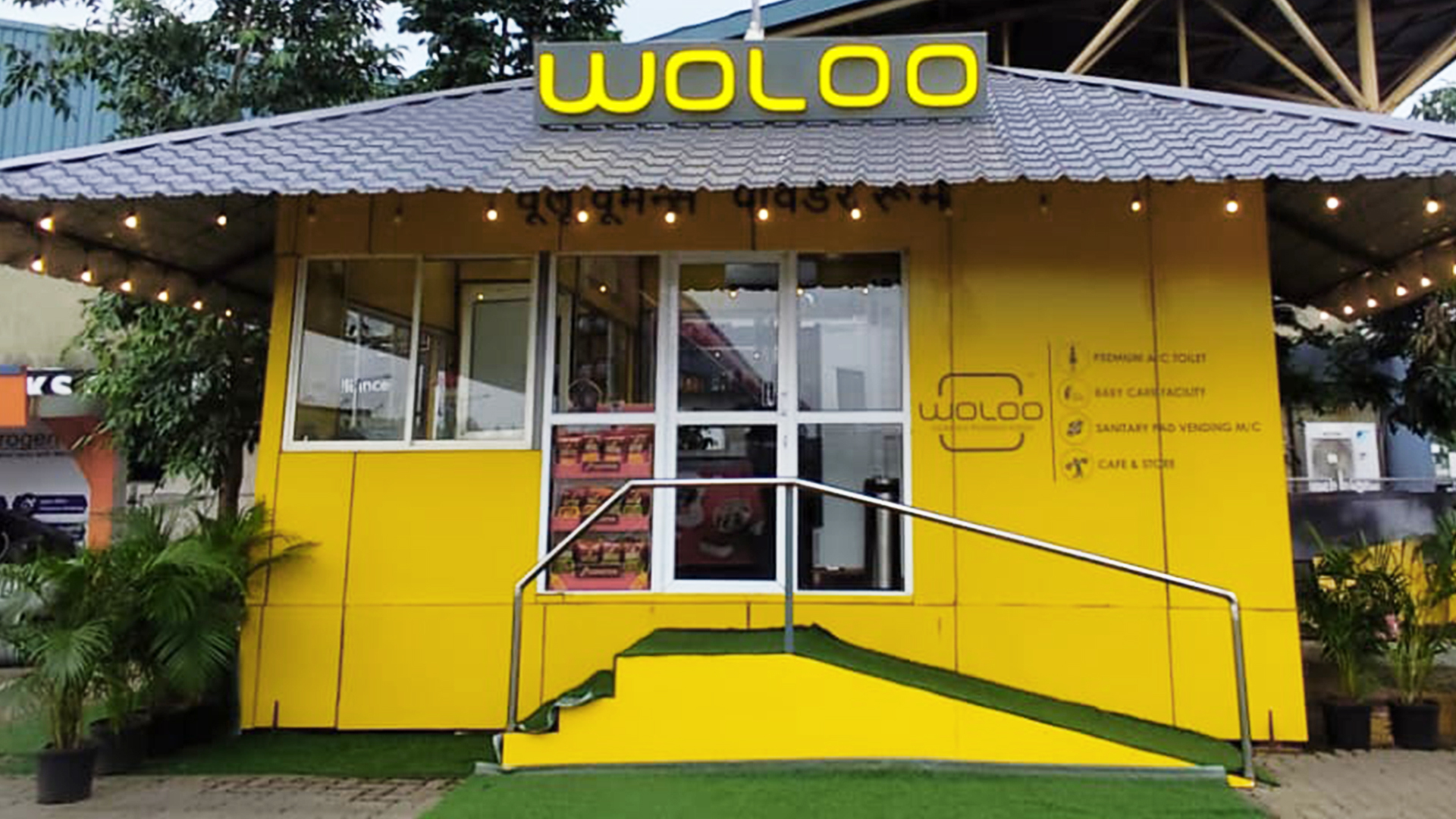
Caption: The future of sanitation in India lies in accessible, technology-backed, and user-centric public hygiene systems.
Download Woloo App
You can easily find clean, safe and hygienic washrooms hosted by Woloo. Woloo hosts & Woloo Powder Rooms are present near the suburban train stations, bus stations, temples, tourist places, and on the main arterial roads.